
State Public-Private Partnerships
for Natural Climate Solutions
Participant Login
Framing & Purpose
Natural Climate Solutions (NCS) have immense potential to counter climate change through greenhouse gas mitigation and increased adaptation and resilience. Through practices such as improved agricultural practices and the development and management of green infrastructure, NCS can support biodiversity, and foster economic growth and community development.
Natural Climate Solutions (NCS) have immense potential to counter climate change through greenhouse gas mitigation and increased adaptation and resilience. Through practices such as improved agricultural practices and the development and management of green infrastructure, NCS can support biodiversity, and foster economic growth and community development.
However, scalable implementation of NCS , will require diversified streams of investment and financing, particularly at a time of disruptive retrenchement of Federal funds. Therefore, state-level public-private partnerships have the potential to be catalytic by aligning policy incentives with positive financing mechanisms, leveraging credit ratings, and convening the diversity of stakeholders needed to implement projects, scale the project pipeline, and align projects to markets.
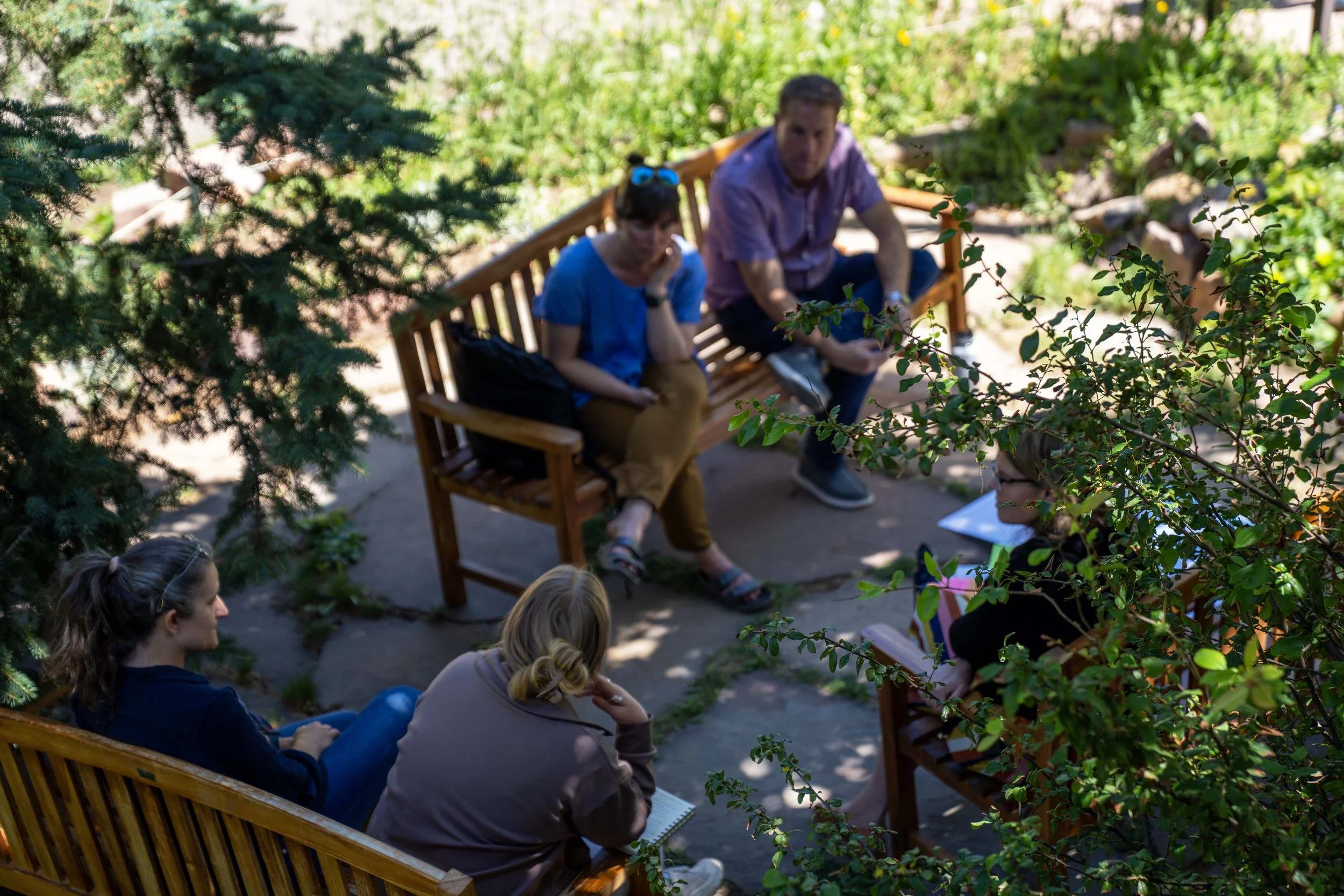
In June 2026, a VCI convening aimed to accelerate and augment investment in natural climate solutions through scalable public-private partnerships. The four-day gathering in Boulder, Colorado, built upon a previous VCI climate finance-focused convening held in October 2025.
Together, state representatives, investors, policy analysts, philanthropic organizations, and project developers worked to find collaborative measures that could lead to greater funding and financing of NCS. Across sessions, meals, and activities, participants exchanged insights and experience on finance, policy, and implementation. Together, they challenged one another to think boldly and practically and to take steps toward innovative and stable financing structures.
Key Considerations
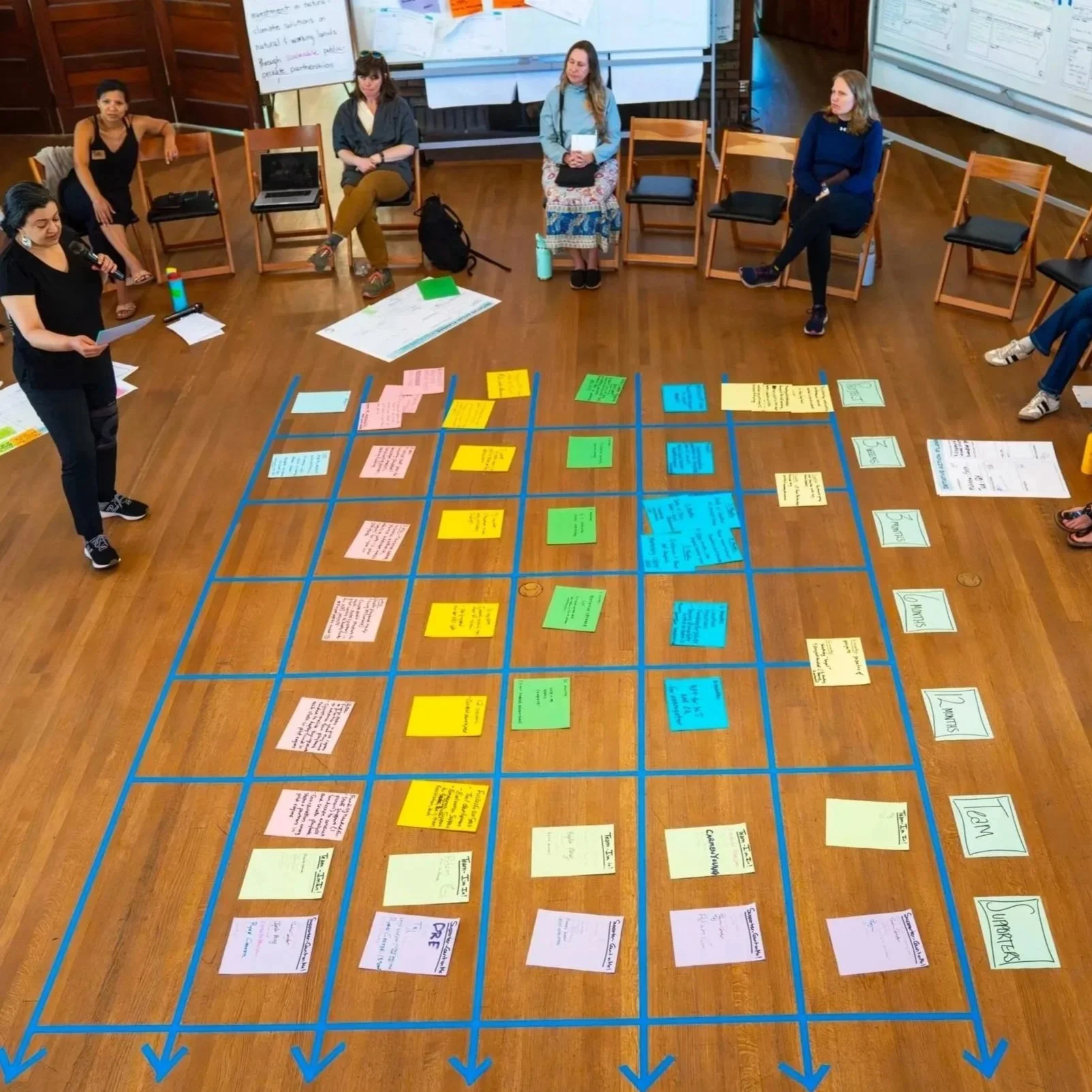
Several recurring themes emerged as participants brainstormed practical approaches to increasing funding and support for natural climate solutions.
Urgency requires new models and partnerships: Amid current rapid shifts in political and policy priorities, participants sense the time horizon for meaningful climate action is limited, and they are reshaping how they think about action. With traditional funding pathways increasingly constrained, the group explored new ways for states, private investors, nonprofits, and communities to better align policy, financing, market demand, and land-use goals for natural climate solutions while building on existing economic development structures, financing mechanisms, and data tools.
Systemic and structural barriers are the main constraints: Participants emphasized that many solutions already exist, but institutional, policy, legal, and market structures often constrain scale. Achieving scale instead depends on supportive policies, standardized practices, state leadership, workforce capacity, robust measurement systems, financing tools, and education. Funding alone is insufficient to overcome these systemic barriers. As one participant reflected, “what is needed is generally known. The obstacles are more systemic.”
Actionable project pipelines and market activation are critical: Shifting from individual projects to investable pipelines requires stronger connections among funders, governments, Tribes, and technical experts. Building these pipelines also depends on clear outcomes, market demand, and adequate workforce capacity.
Measurement, standards, and incentives enable investment: Standardized metrics, credible performance tracking, and alignment across financial, regulatory, and market incentives are necessary to streamline pipeline development. Participants explored how to build durable markets for environmental outcomes such as wildfire resilience, water quality, flood reduction, and forest health. They emphasized identifying beneficiaries, aligning regulatory and legislative incentives, generating clear demand signals, and linking outcomes to financing mechanisms. As one participant noted, “when we organize around outcomes, we can identify beneficiaries.”
Scale requires standardization and repeatability: Participants consistently accentuated the idea that reducing complexity through standard models, templates, and repeatable structures is essential to reaching scale. The conversation centered on due diligence frameworks and shared definitions of outcomes. In particular, participants said, the finance sector needs NCS investments to be known and stable investments to build trust and enable scale. As one participant put it: "Philanthropy loves innovation. Investments like boring”


Overcoming Challenges
The challenges that participants said public-private partnerships face in implementing NCS include:
Lack of shared language: Without a clear articulation of NCS, their value, beneficiaries and offtakers, it’s difficult to attract investment, and scale implementation. Shared terminology across sectors is also crucial for aligning incentives and expected ROI’s. “Even among this group, it’s hard to define what [NCS] are,” one participant said.
Fragmented systems and lack of coordination: Many promising efforts already exist, but they remain disconnected across sectors, agencies, geographies, and funding streams. “There are a lot of pockets, but not a lot that’s synchronized,” one participant reflected.
Difficulty creating investable projects at scale: Participants consistently identified the challenge of moving from individual projects to investable pipelines that can attract larger pools of capital. Capital is often available, but investors need standardized, scalable opportunities with clear revenue streams and outcomes. As one participant put it, “We can find the money. It’s the pipeline of projects that’s the problem.”
Insufficient standards, metrics, and proof of value: There’s a need for standardized due diligence, performance measurement, and stronger links between environmental outcomes and financial returns. To win the embrace of investors, governments, and regulators, NCS strategies must include consistent methods for measuring risk, resilience, and outcomes.
Misaligned incentives and policy frameworks: Participants recognized that many existing financial, regulatory, and market systems unintentionally work against NCS deployment. Governments, markets, utilities, insurers, and developers often respond to incentives that do not reward long-term resilience outcomes.
Outcomes and Action Items
Participants identified six initiatives for action following the convening:
-
Run a pilot in Massachusetts that builds a pipeline of NCS projects with quantified outcomes, aligns state and private funding sources, and matches projects using AI-assisted technology.
-
Bring utilities, insurance, Community Development Financial Institutions (CDFIs), credit unions, government, and other stakeholders together for coordinated planning and funding around local resilience investment.
-
Develop NCS market tools, incentives, and revenues that communities and municipalities can use to leverage data center development. The initial framework to be informed by research, interviews, sector engagement, and NCS specialists.
-
Develop a playbook for states to rapidly scale NCS adoption by establishing enabling conditions that stimulate market creation. The playbook will be tested through two pilots in California and New Jersey to document and demonstrate a replicable process.
-
Create a menu of options for state policy-makers to accelerate action through a landscape analysis and pilot implementation in Hawaii and the Mid-Atlantic, testing how these approaches can be put into practice.
-
Design a webinar service for state leaders to learn how other states are deploying innovative financing tools to advance NCS.

Looking Forward
Combined, the proposed projects are not only complementary, but lay out a cohesive strategy for scaling NCS and green infrastructure development through state- and local- level public private partnerships across multiple geographies and solution types.
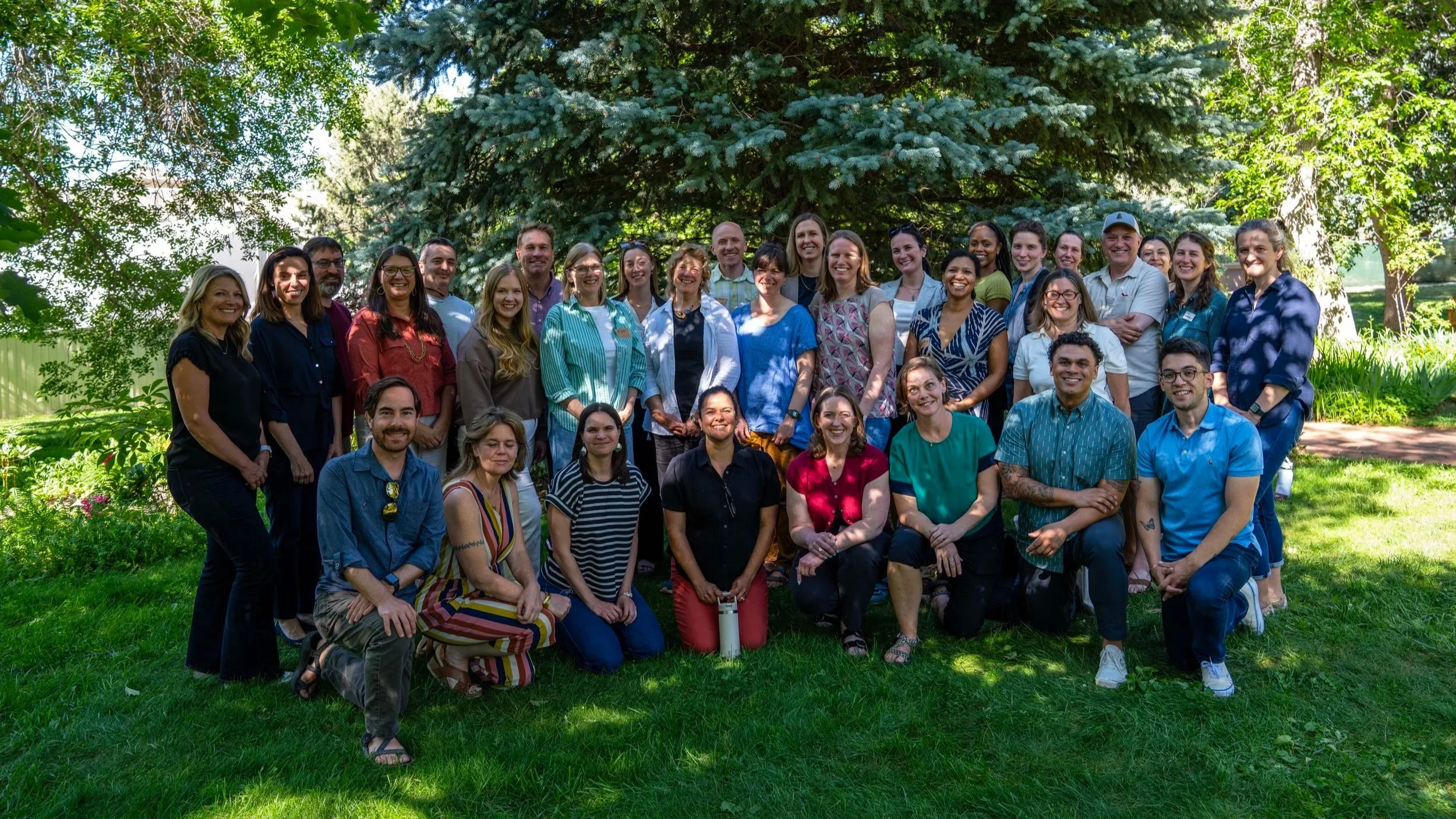
Participants left the convening with a stronger sense of clarity, connection, and possibility. Many described moving from isolation to a broader understanding of the people, partnerships, and systems needed to advance natural climate solutions. One participant reflected seeing “a lit path through the darkness forward,” while another valued the opportunity to “expand each of our lenses out” on this shared challenge. Participants gained a fuller appreciation of the diverse roles, sectors, and stakeholders involved, with several noting that relationships may ultimately be more enduring than any individual project. Others described shifting from a sense of scarcity to one of available abundance, uncertainty to confidence, and complexity to clearer pathways for action. The plans they laid “represent what would [typically] take a decade,” one participant shared.
The group plans to continue their collaborative efforts through a VCI-supported network coordinator, which will integrate the set of priorities that one participant said will make the strategy a cohesive whole.
