
Approach
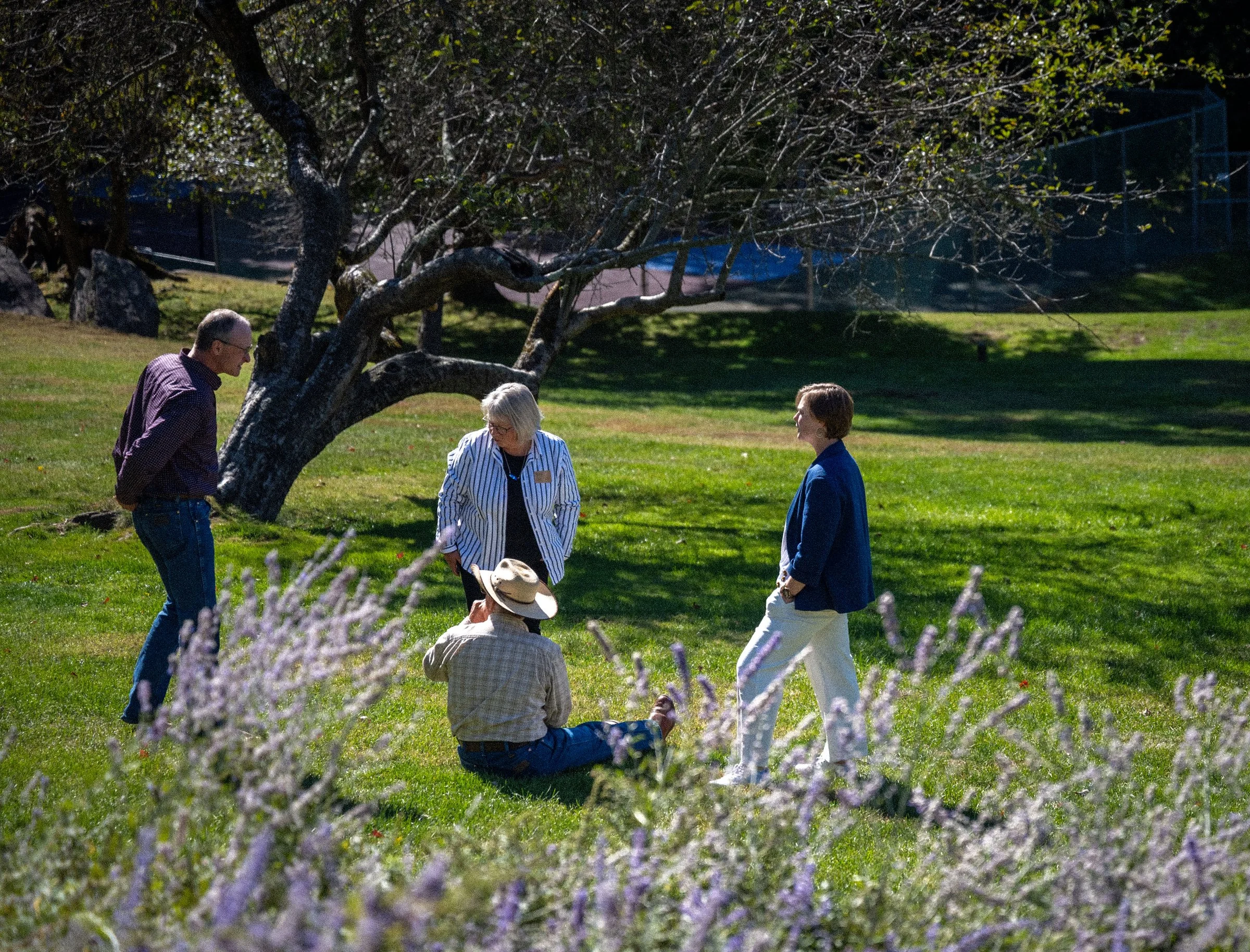
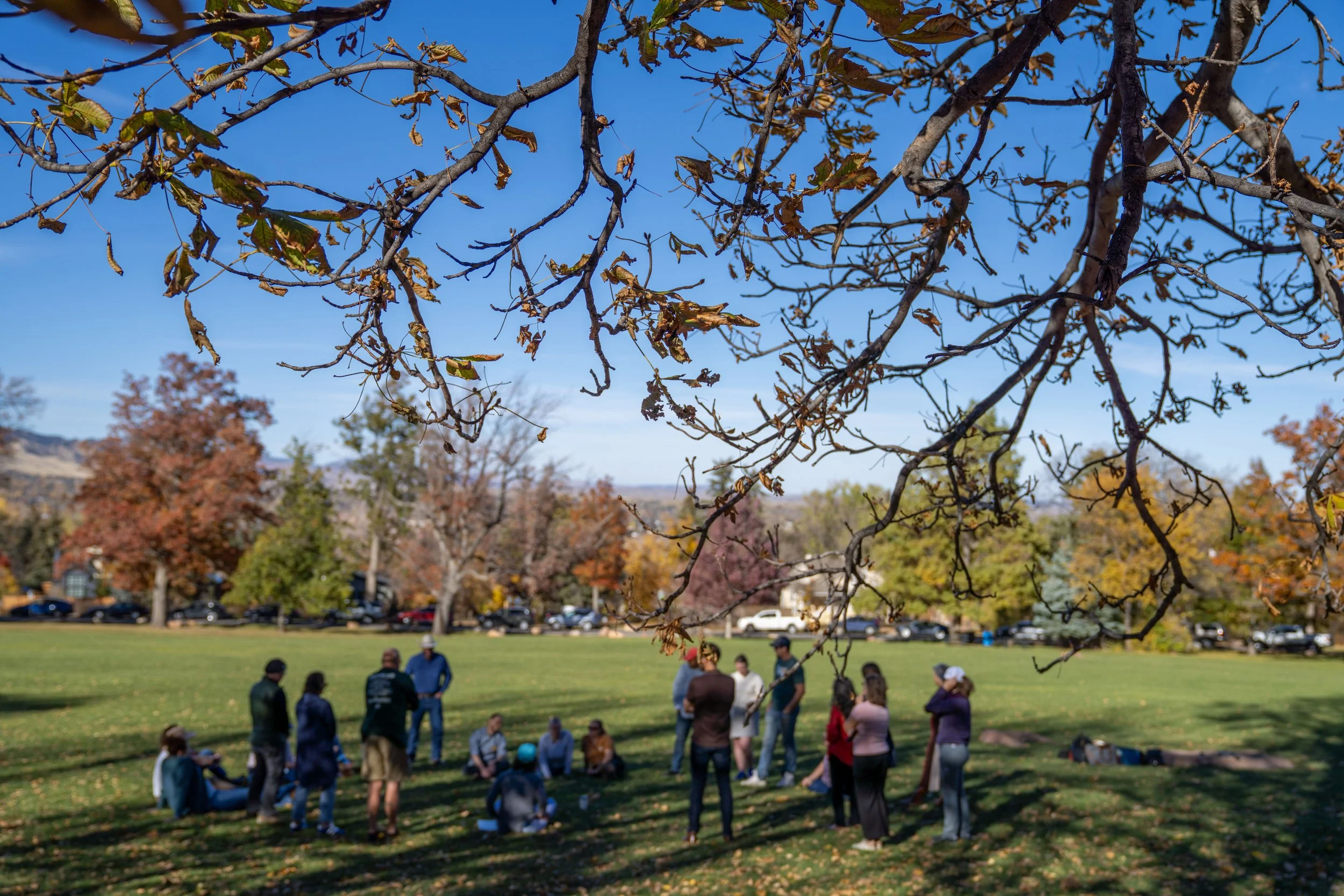
No other generation will have more leverage than we do now to alter the fate of our food and water systems, climate stability, or biodiversity. We’re meeting this moment by bringing leaders together to slow down, connect, and restore so that they can think, discuss, innovate, and plan. We are prepared to support the ideas that arise out of these convenings.
Theory of Change
Leaders are more effective when they work in collaboration and when they’re given space to slow down, think, connect, and restore. We create that space. By curating deep, powerful collaboration, we fight the burnout and disconnection that hold back innovation. Each VCI convening sparks relationships that weave individual threads into stronger networks capable of driving results further than any individual could on their own.
Creating the time to slow down before speeding up can be immensely beneficial. Individual perspectives are limited, and no single leader or group can fully grasp all the complexities of their field. Diverse and adaptive networks, built on deep relationships, shared values, and eclectic experiences, can uncover fresh perspectives and seize opportunities.
While too much structure and hierarchy can stifle progress, too little can lead to paralysis. Trust-based networks can move swiftly and with significant impact, maintaining low bureaucracy and offering enduring mutual support. VCI networks balance the need for structure with the flexibility required to drive meaningful change.


VCI’s Core Competencies:
-
Convener
VCI brings together leaders with deep expertise, who are known and trusted collaborators, and who represent diverse perspectives.
-
Scanner
VCI scans each targeted field of endeavor to understand challenges and opportunities. VCI identifies and connects with leaders and experts who help guide our approach.
-
Seed funder
We invest in emergent projects and work to leverage initial funds to attract other funders to support the work of VCI’s networks.
-
Connector
VCI connects retreat participants to an extensive network of experts, scientists, funders and peers.
VCI Operating Principles:
-
Co-benefits
VCI’s focus is first and foremost on climate change mitigation through natural climate solutions. VCI seeks opportunities to protect ecosystem functions that maximize economic, environmental, and social benefits.
-
Consistent and Opportunistic
In some cases, VCI commits to long-term initiatives that have the potential for impact but need longer than one or two years to mature; at the same time VCI also supports short-term initiatives that are opportunistic and/or urgent.
-
Context
VCI is sensitive to the local context and ecosystems when advancing NbCS.
-
Diversity
VCI seeks diverse representation and inclusion of a spectrum of perspectives as a core component for success and understanding of the whole system.
-
Equity
VCI advances equitable and high-impact processes from pre-retreat engagement through funded initiatives.
-
Grounded and Reflective
VCI is responsive to the science, trusted advisors in the natural climate solutions field, the policy and implementation landscape, emergent opportunities and lessons learned from MEL (Monitoring Evaluation and Learning).
-
Leverage
VCI leverages partnerships to further scale impact.
-
Scale
VCI prioritizes initiatives that have the potential for large-scale impact and local or regional initiatives that have the potential to be replicated.
Focus Areas:
Priority Biomes
The following biomes were selected based on research and engagement with field experts. Buma et al (2023) identified both temperate forests and perennial agriculture as low to medium uncertainty, high-impact solutions. According to the IPCC, among various land use and forestry activities, reducing deforestation has the largest potential to reduce anthropogenic GHG emissions, followed by carbon sequestration in agriculture and ecosystem restoration including afforestation and reforestation.The 2024 U.S. EPA report Greenhouse Gas Mitigation Potential in the U.S. Forestry and Agriculture Sector found U.S. Agriculture, Forestry, and Other Land Use (AFOLU) sector is expected to remain a net GHG emissions sink, with projected net CO2 sequestration of about 90 million metric tons of CO2 equivalents per year.

Conservation, Reforestation, and Management of Temperate Forests in the United States
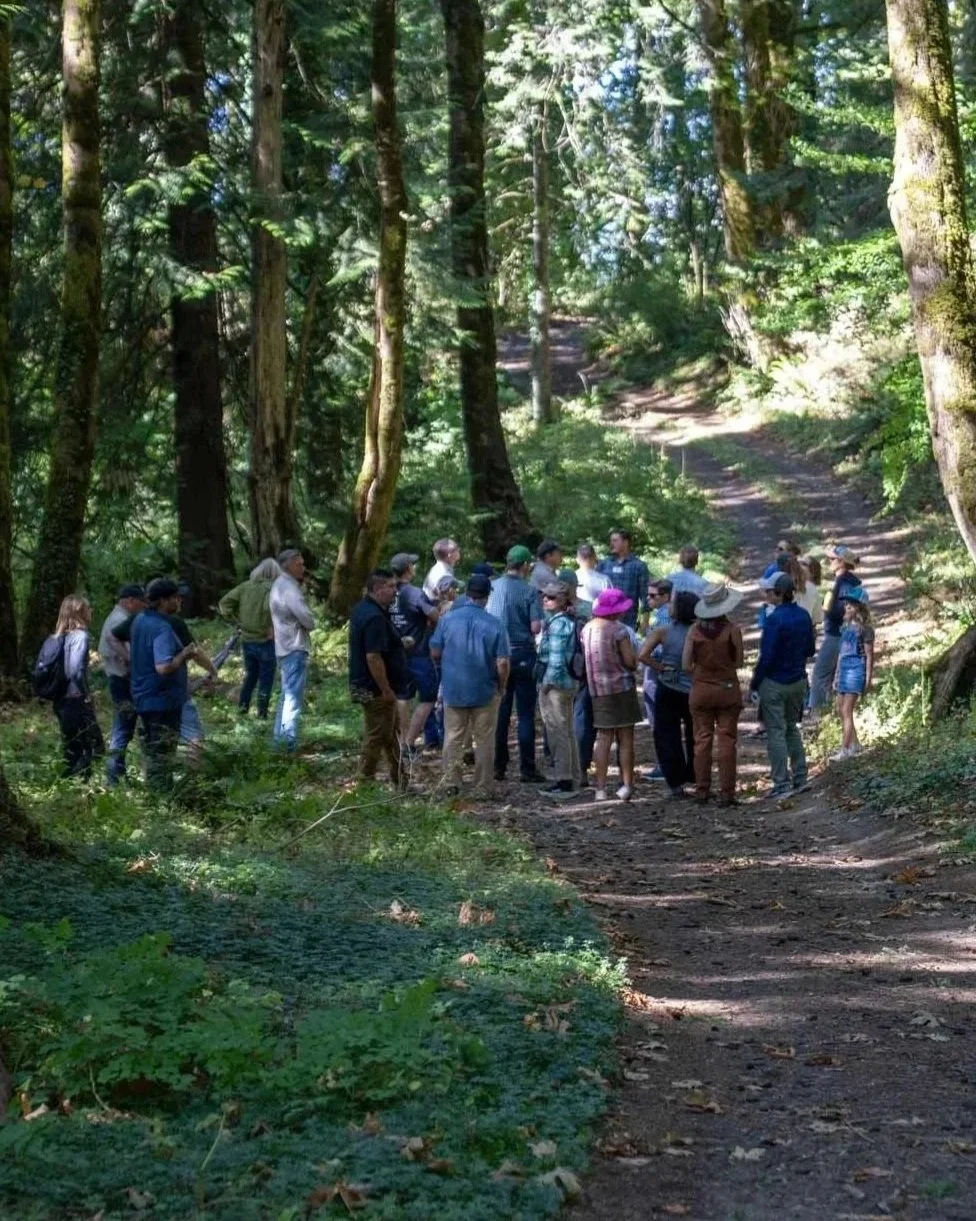
Of the top natural climate solution pathways with climate mitigation potential in the United States, temperate forest practices represent four of the top ten (Reforestation, Natural Forest Management, Improved Forest Management, Avoided Forest Conversion).⁶ Healthy temperate forests provide a net carbon sink and have a greater geographic scale than other biomes in the U.S. Forests also deliver a variety of co-benefits such as habitat for biodiversity, disaster risk reduction and resilience, recreation, sustainable timber and non-timber products and their associated jobs, cultural/spiritual spaces, and additional ecosystem services.
-
VCI is currently focused on protection and avoided conversion of old growth and mature forests, climate-smart management of younger forests, and reforestation of degraded lands. This approach aligns with proven climate mitigation pathways and is responsive to field insights that VCI’s approach and investment would be a value add in efforts to craft coherent strategies across public and private lands, bring greater clarity to carbon markets, improve financing options and mechanisms available to landowners, and address supply chain failures.
Protection and avoided conversion of mature and old-growth temperate forests have a significant positive impact on climate by preserving large carbon sinks, as older trees store significantly more carbon than younger ones. Preventing their removal helps mitigate climate change by keeping carbon locked in the forest ecosystem instead of releasing it into the atmosphere when they are logged or burned (Woodwell Climate Research Center). Avoiding forest conversion protects carbon stored in extant forests from ongoing losses and offers an immediate benefit of 37 Tg CO2e year.⁷
Natural forest management of privately held forests has the second largest maximum mitigation potential (267 Tg CO2e year−1). Improved forest management (IFM) has the potential to sequester an additional 267 million tonnes CO2e in forests of the United States.⁸ Improved management practices can also help bring down carbon losses from fires and overharvesting.⁹
Reforestation offers the greatest potential for natural climate mitigation in the United States (307 Tg CO2e year−1).¹⁰ There is potential to reforest 148 million acres in the contiguous United States. But getting there by 2040 — focusing on the highest-potential locations for successful reforestation — would require 5.1 billion tree seedlings annually, which is more than double present seedling production.¹¹ Much of this reforestation potential occurs in the northeast (35%) and south central (31%) areas of the United States.¹²
⁷ Natural climate solutions for the United States | Science Advances
⁸ ACR, Winrock International
⁹ Woodwell Climate Center: Global Forest Carbon Storage Explained
¹⁰ Natural climate solutions for the United States | Science Advances
¹¹ American Forests Restoration Hub
¹² Natural climate solutions for the United States | Science Advances

Agriculture + Soils
Of the top natural climate solutions with climate mitigation potential in the United States, agriculture-related NbCS represent four of the top ten pathways (cover crops, biochar, agroforestry and improved management of nitrogen fertilizers).¹³ According to the EPA, the agriculture sector currently accounts for about 10% of GHG emissions in the U.S. Shifting to more regenerative agricultural practices has the potential to significantly reduce those emissions and sequester carbon through enhanced soil health. Regenerative agriculture has many co-benefits including resilience, human health, job creation, food security, equitable agricultural practices, water management, pollinators and wildlife biodiversity.¹⁴
-
In soils and agroforestry, our aim is to help increase agricultural practices on the land that lead to emissions reductions and retain/increase carbon sequestration in soils while supporting other ecological, economic and social outcomes.
Agricultural Soils have the potential to sequester, relatively inexpensively, 250 million metric tons of CO2e annual–equivalent to the annual emissions of 64 coal fired power plants, according to the National Academy of Sciences. Soils are an important carbon store, and naturally low-carbon soils may sustain increases as the result of agricultural management. These management practices include reduced tillage, cover cropping, adding carbon-based amendments (e.g., manure, compost, or biochar), agroforestry, and retiring marginal lands from production.
Agroforestry contributes to climate change mitigation in three ways. (1) Sequestering carbon in biomass and soils, (2) reducing greenhouse gas emissions, and (3) avoiding emissions through reduced fossil fuel and energy usage on farms (USDA). Agroforestry can also bring benefits of resilience, biodiversity and improved livelihoods for farmers and their communities.
¹³ Natural climate solutions for the United States | Science Advances
¹⁴ Grounding U.S. policies and programs in soil carbon science. Frontiers


Opportunistic Work
In addition to focusing on priority biomes, VCI recognizes that the climate emergency is dynamic and opportunities may arise that require a rapid response, enhanced collaboration, or start-up support in order to launch or meet a moment. Opportunistic retreats may seek to spur action on NbCS or on other strategies deemed essential for addressing the climate emergency.
2034 Objective
Over the course of the next decade, the Volgenau Climate Initiative will have catalyzed dozens of collaborative strategies with measurable climate mitigation outcomes. In addition to shifts in policy, financial flows, and land practices, VCI networks will craft new cultural narratives and spur renewed hope and innovation across sectors.
-
Nature-based climate solutions (NbCS) include conservation, restoration and improved management of natural and working ecosystems with the primary motivation to mitigate GHG emissions and remove CO2 from the atmosphere¹. Viable NbCS are needed to achieve international climate goals. NbCS can provide over one-third of the cost-effective climate mitigation needed between now and 2030 to stabilize warming to below 2 °C² by reducing emissions and increasing sequestration³. According to the IPCC, current land use practices, such as agriculture and deforestation, are responsible for a quarter of greenhouse gas emissions today. The world’s forests, agricultural lands, soils and other terrestrial ecosystems already play a substantial role in offsetting human carbon emissions and can do more. The United States holds high potential for land-based sequestration. NbCS can also prevent further biodiversity loss and support climate adaptation, improved water quality, workforce development, equity, and food security, and, unlike other carbon removal technologies, NbCS are available and proven now⁴. VCI seeks to advance NbCS that are nature-based, sustainable, climate-additional, measurable and equitable.⁵
¹ Expert review of the science underlying nature-based climate solution. Nature Climate Change. (2024)
² Natural Climate Solutions. PNAS. (2017)
³ Natural Climate Solutions for the United States. Science Advances. (2018)
⁴ What are Natural Climate Solutions? Climate Advisors (2020)
⁵ The principles of natural climate solutions. Nature Communications. (2024)