

VCI Projects
VCI supported networks work to accelerate natural climate solutions by addressing funding, policy, narrative, and practice shifts to encourage conservation, restoration, and management of natural systems.

Centers of Reforestation Excellence (COREs) | Funding for Forest Restoration
Deforestation, development, wildfires, and pests are taking a heavy toll on forests, impeding the ability of trees to sequester carbon and increase resilience to extreme weather. Reforestation is one of the top climate mitigation opportunities in the U.S., but stronger supply chains and support systems are needed to encourage more tree planting.
New Leaf Climate Partners and the Arbor Day Foundation deployed a VCI-funded survey to help identify key points in reforestation supply chains that have the potential to create large-scale change. Ultimately, they plan to create scalable reforestation centers across the country to help finance nurseries (seeds and saplings) and incorporate workforce development and funding for tree care and maintenance.
“VCI convenings have a format, focus, and intention that accelerates trust-building in a way that would not happen without these convenings.” — Lauren Marshall, Reforestation Network Coordinator, VCI, & Director of Landscape Restoration, Arbor Day Foundation
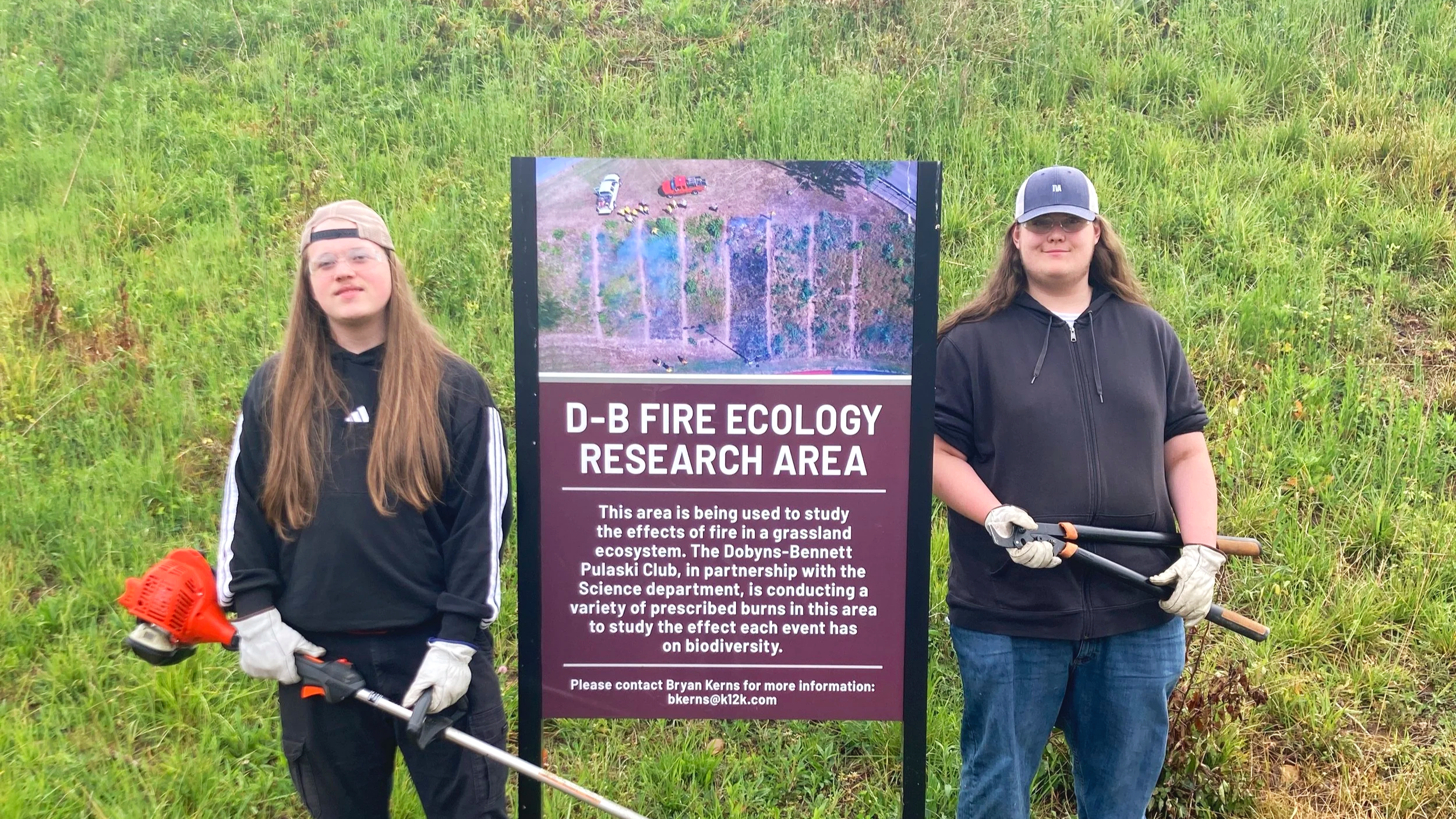
High School Grasslands Management | Changed Practices for Grasslands Restoration
Grasslands have significant potential in climate change mitigation. These vast and biodiverse ecosystems now exist on only a fraction of the land they once covered, and they are under threat of continued loss and degradation. Building a constituency for enhanced grasslands management is vital to their long-term survival.
With VCI support, high school teacher Bryan Kerns is scaling prescribed burn programming for high school students in the Southeast to improve grassland management, GHG mitigation, and community education. Fire management aids grasslands restoration by preventing overgrowth and supporting species that have coevolved with fire. Through hands-on lessons, students gain practical work skills and increased engagement with the natural world.
The VCI funding helped jump-start this process “but their support and validation is the thing that keeps me going back in there.” — Bryan Kerns, High School Teacher, Dobyns-Bennett High School
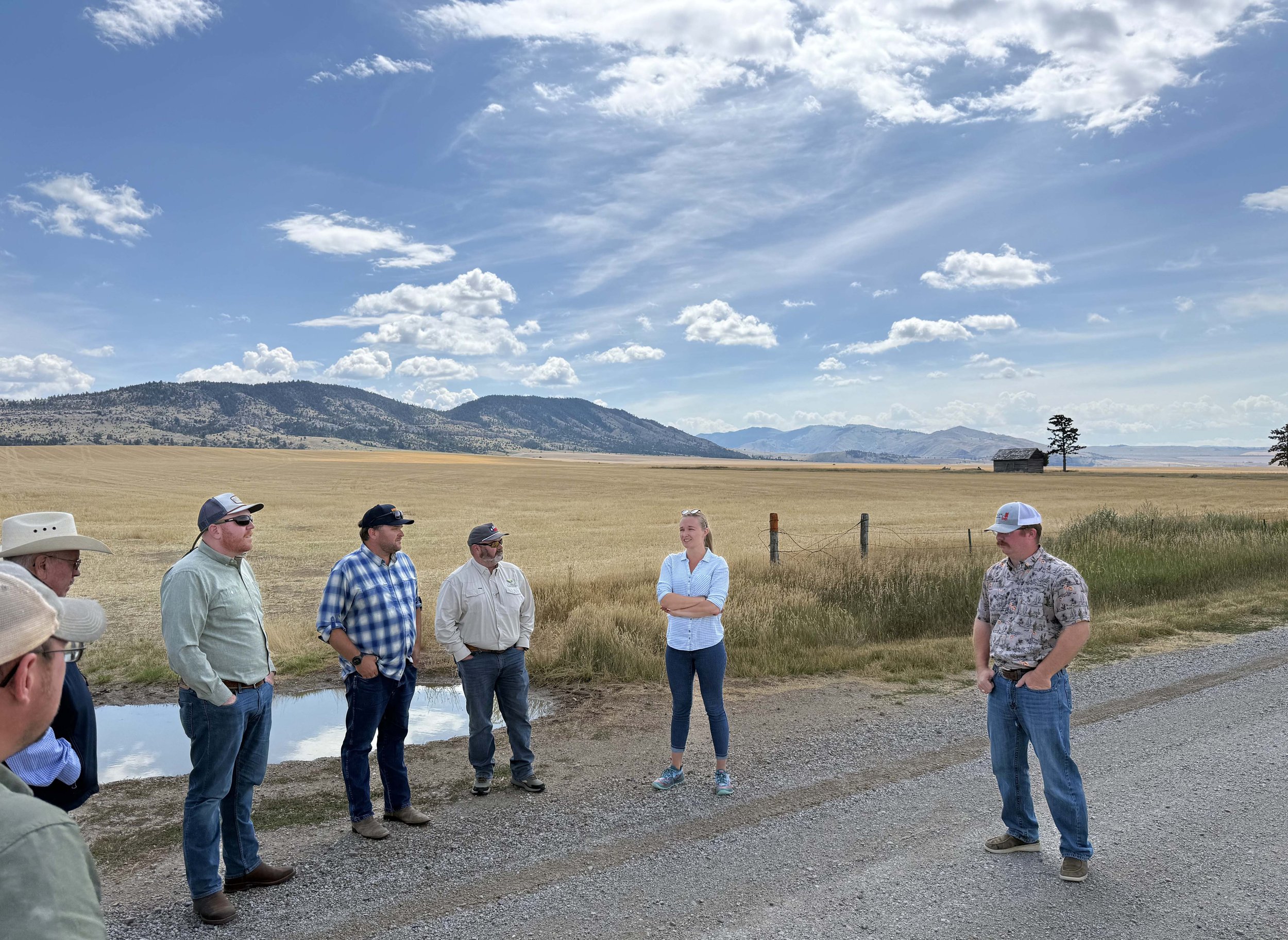
Transferable Conservation Tax Credit | Policy Change for Grasslands Conservation
Grasslands can store vast amounts of carbon and support an enormous amount of biodiversity. Yes vast portions of today’s existing grasslands are under private ownership and are at risk of development.
Colorado has provided a financial incentive to landowners who donate a conservation easement through a transferable tax credit since 2000. VCI’s 2024 grasslands convening provided momentum to advocate for a federal transferable tax credit to preserve grasslands and promote rural livelihoods.
“The ability to interact in smaller groups and talk about problems that you are facing with folks across the country [during the convening] was really beneficial.” — Erik Glenn, Executive Director of the Colorado Cattlemen’s Agricultural Land Trust

Funding and Storytelling Campaign | Funding for Conservation, Restoration, and Improved Management
Nature-based climate solutions (NbCS) can reduce greenhouse gas emissions, support carbon sequestration, and enable numerous cobenefits for communities and the environment. In 2024, California passed Assembly Bill 1757, to support NbCS implementation on natural and working lands in the state. But dependable funding is essential to meet those targets.
VCI participants worked to create a widespread, multisector coalition to seek California’s Greenhouse Gas Reduction Fund (GGRF) allocations for nature-based climate solutions. The coalition created a GGRF Steering Committee to coordinate efforts and identify opportunities to secure dedicated funding for NbCS through the GGRF. They also raised awareness about NbCS through a legislative briefing and through district-specific fact sheets for all 120 legislative districts, highlighting examples and their benefits.
“We wouldn’t have the same momentum without the convening. It helped coalesce different interests around a unified ask for continuous funding to meet [NbCS] targets.” — Baani Behniwal, Carbon Drawdown Director of The Climate Center
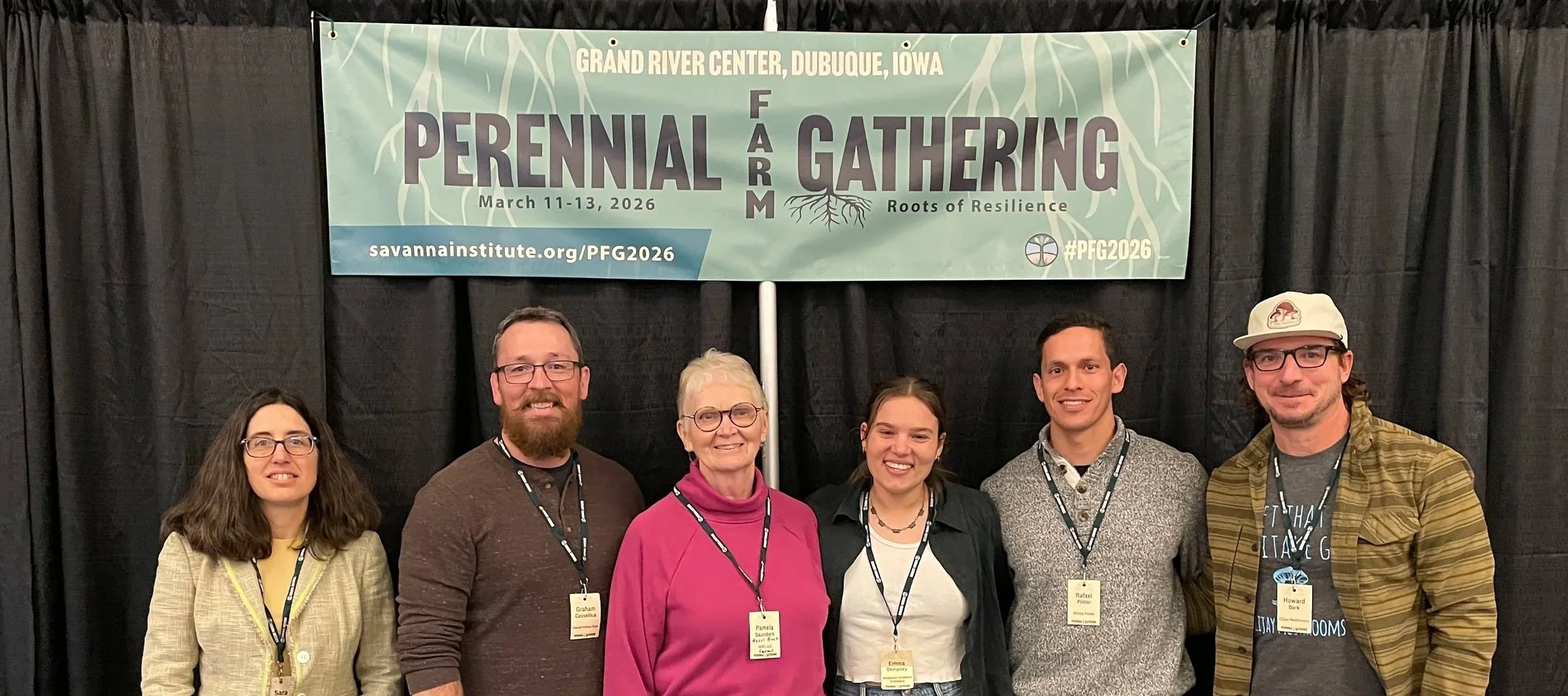
Agroforestry Brand Accelerator | Market-Based Funding for Improved Management
Agroforestry practices have the potential to sequester carbon and enhance soil health, but many entrepreneurs need business coaching and market development support to accelerate market pathways for perennial crops and create a stronger agroforestry economy.
After VCI’s 2023 Agroforestry convening, the Agroforestry Coalition’s Market Development Working group worked to create an accelerator curriculum for agroforestry businesses. They adapted the Food Finance Institute’s (FFI) food and farm enterprises program to include the needs of perennial crops, while still including coaching, peer learning, and an investor-facing pitch. Since its first launch in 2024, the Agroforestry Brand Accelerator has supported 20 agroforestry businesses including nurseries and value-added product enterprises.
“The VCI convening not only elucidated the challenges of building markets of novel agroforestry crops, but established a connection between the Agroforestry Coalition and Food Finance Institute. This connection allowed us to develop this unique program and help bring more perennial products to market.” — Kitt Healy, Strategy Director and Lead Organizer of The Agroforestry Coalition
Restoration Capital Toolbox | Funding for Natural Climate Solutions
Natural Climate Solutions (NCS) have the potential to decrease greenhouse gas emissions, sequester carbon, and provide numerous co-benefits to communities and the environment. However, the capital needed to spur widespread implementation is often lacking.
VCI is supporting New Leaf Climate and the Croatan Institute to develop the Restoration Capital Toolbox, which will adapt proven community development and conservation finance models for NCS. The team will build consensus on what the Toolbox should include through partner interviews and an advisory group of restoration and conservation leaders, land stewards, and financial experts. Ultimately, it will outline financing strategies that reduce early-stage risk, unlock private capital, and connect project development with large-scale investment.
The VCI Climate Finance convening “crystallized the urgency behind this work and gave us a clear mandate to act. The conversations that came out of the convening validated the need for the Toolbox, and most importantly, they connected us with the partners that are now building it.” — Zak Royse, VCI Climate Finance Network Coordinator

Extended Rotations | Changed Practices for Improved Management
Mature forests provide numerous benefits to support climate change mitigation, biodiversity preservation, revenue generation, and cultural appreciation. However, many timber operations have evolved to harvest trees in a forty-year rotation that does not allow them to reach maturation.
The VCI-funded Extended Rotations project is working to identify barriers and opportunities to extend harvest rotations to 60 to 80 years. Led by Washington Conservation Action, the team is conducting targeted interviews across the timber supply chain and modeling the effects longer rotation would have on timber volume and carbon outcomes. By combining stakeholder insights with modeling, the project aims to demonstrate feasibility, inform policy and financial incentives, and support market alignment. The 2025 VCI Pacific Northwest forests convening helped lay the foundational trust for this collaboration between partner organizations, state government, timber companies, and private landowners.
“Our interviews highlighted the growing interest in lengthening rotations across the forest sector. We appreciate VCI providing the opportunity to harness this energy and identify solutions to support a transition across the supply chain.” — Ava Stone, VCI Extended Rotations Project Lead
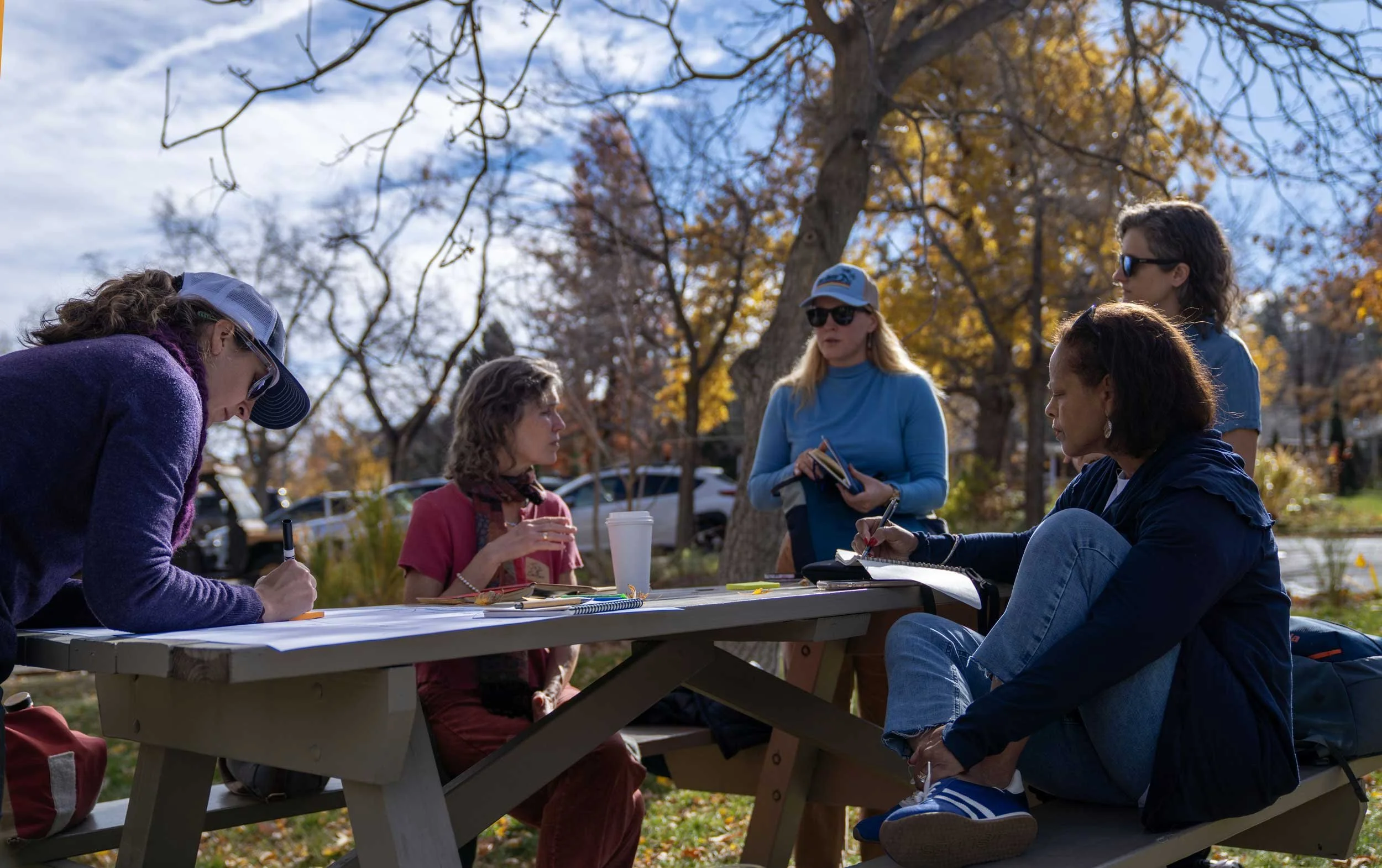
State Momentum Project for Regenerative Food Systems | Policy Change for Improved Management
Regenerative and climate-smart agricultural practices can improve soil health and water systems, sequester carbon, and promote economic and environmental resiliency for farming communities. To adapt these practices, farmers need supportive policies, funding, markets, and technical assistance.
VCI supports a partnership between the National Caucus of Environmental Legislators and State Innovation Exchange to accelerate state-level leadership in regenerative food systems by strengthening coordination among farmers, state governments (including lawmakers and agencies), and key on-the-ground organizations across multiple states. By embedding efforts in statewide coalitions and regional markets, this collaborative project supports the development of economically resilient systems that are less vulnerable to funding fluctuations.
“In three days, VCI convened 30 people with the relationships, expertise, and vision needed to launch a multistate effort now engaging partners across 30+ states. This level of well-informed innovation is exactly what makes VCI convenings powerful.” — Tommy Hexter, VCI Regenerative Food Systems Network Lead