Technical Assistance Coordination and Capacity: Summary Report
Framing and Purpose
Implementing conservation practices on farms, ranches, and forestlands requires strong, coordinated technical assistance (TA) networks that support land managers on the ground. Conservation TA providers serve as an essential link between landowners, new practices, policy, and funding. Their long-term guidance helps stewards implement land management techniques that enrich soils, forests, and grasslands. When these biomes are healthy they support climate mitigation through carbon sequestration, storage and direct emissions reduction, while providing climate change adaptation through increased resilience.
However, many TA providers face capacity constraints and fragmented systems of support. Over the past two years, decreased government funding and policy uncertainty have created additional challenges for the field.
In November 2026, VCI brought together leaders from multiple sectors to address some of these challenges. Together the group aimed to enhance the coordination, expertise, and capacity of multi-sector technical assistance providers. The goal was to better help private land managers implement agriculture and forestry conservation practices as natural climate solutions while improving economic viability. By building a more connected and resilient TA network, this effort aims to accelerate practices that reduce emissions, sequester carbon, enhance ecosystem resilience, and strengthen the economic viability of working lands.
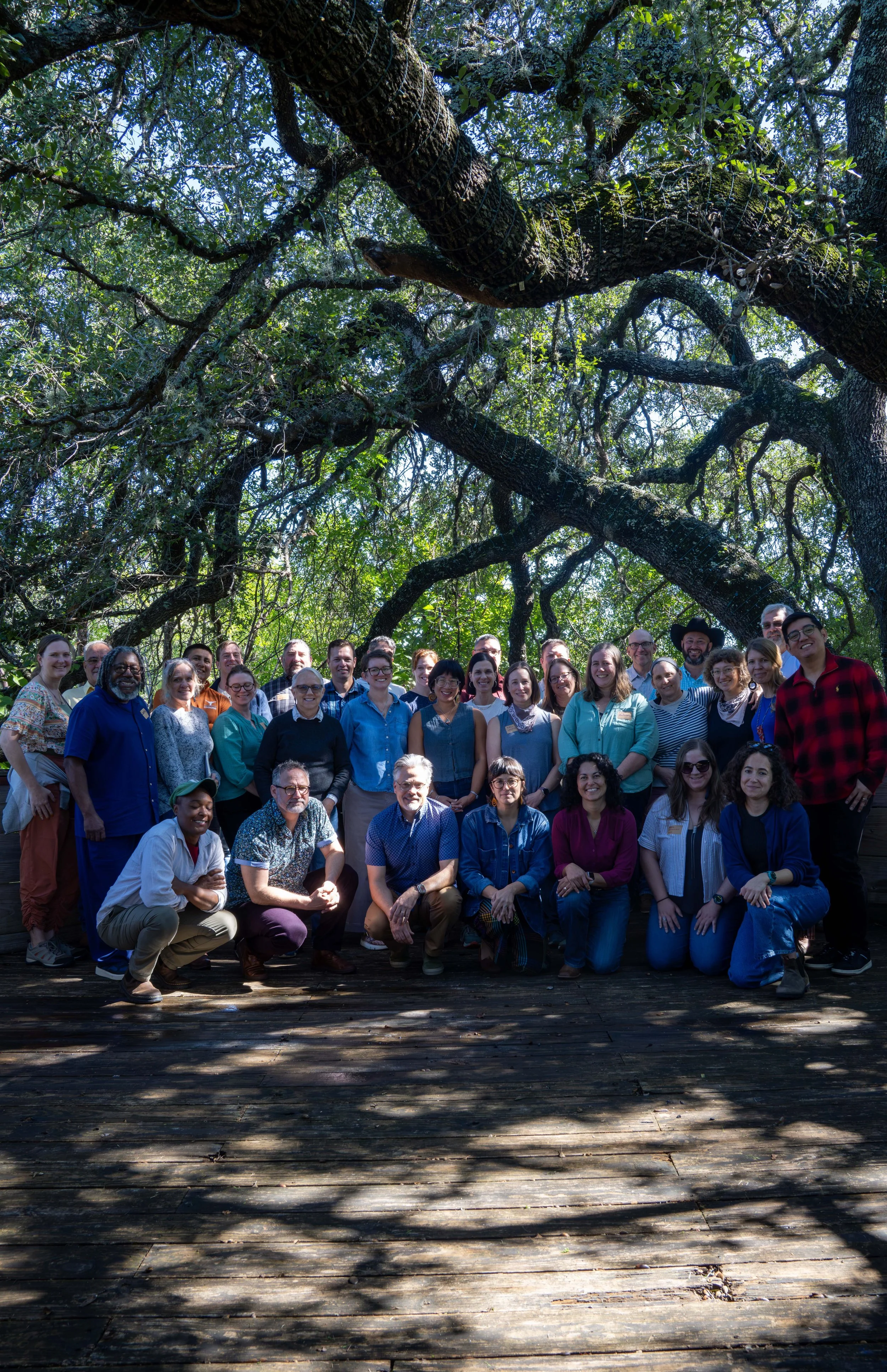
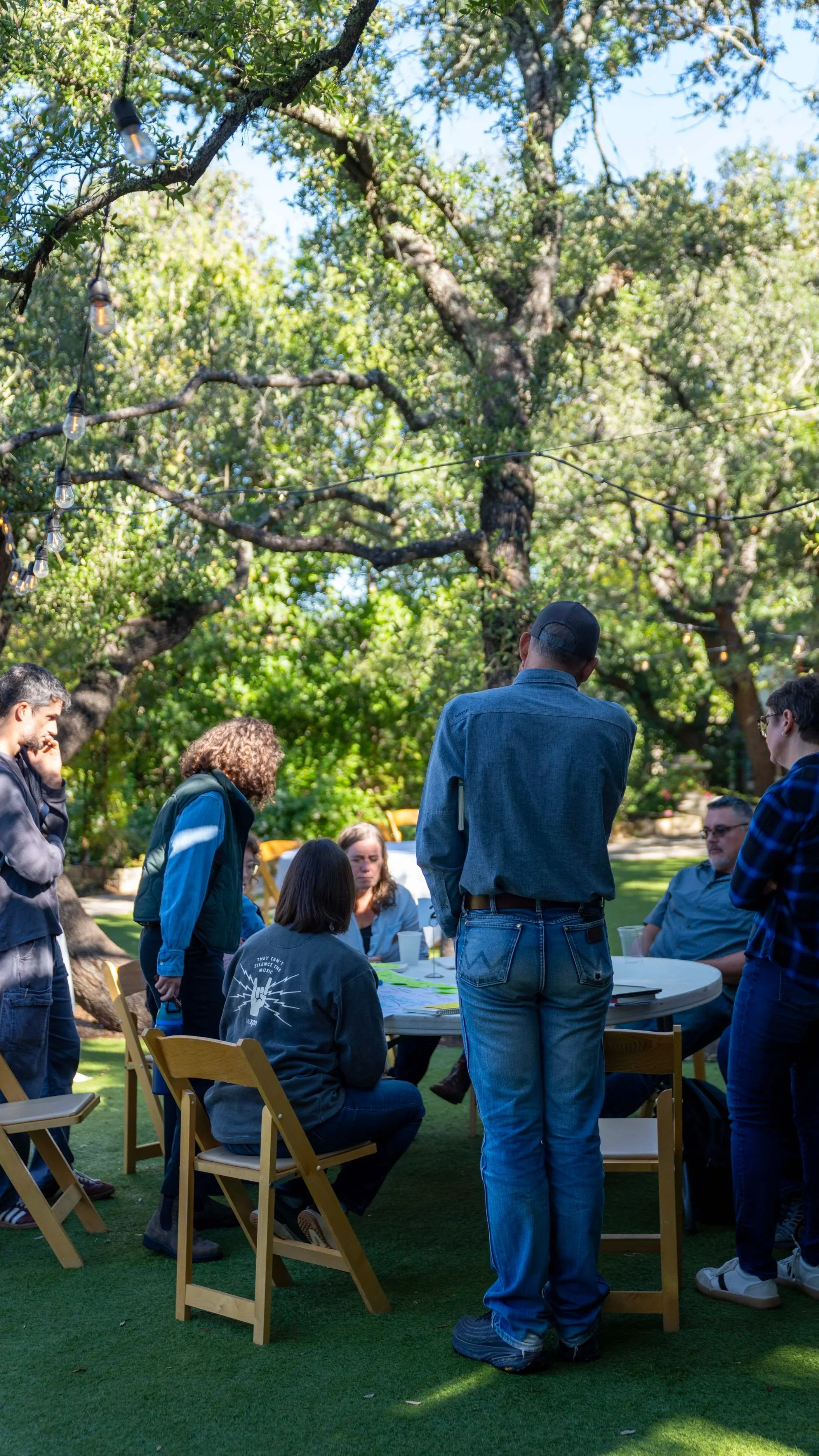
Technical assistance has emerged as a recurring priority across VCI convenings, which created an opportunity to bring diverse networks together around a shared challenge and identify practical pathways forward. This gathering convened 31 peer-selected participants—including farmers, TA providers, government representatives, nonprofits, universities, businesses, conservation districts, and funders—to share expertise, build relationships, and collaborate on strategy.
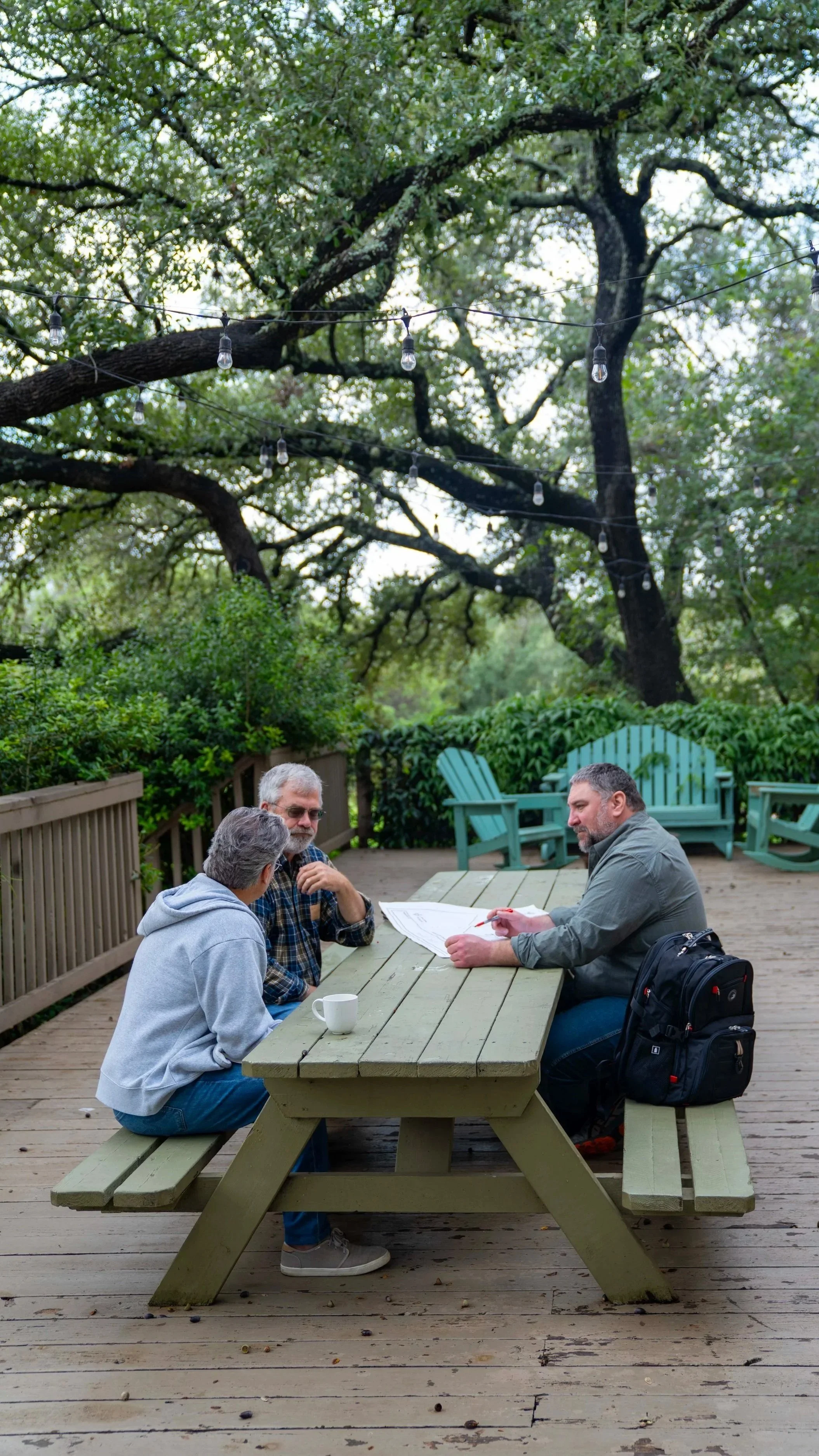
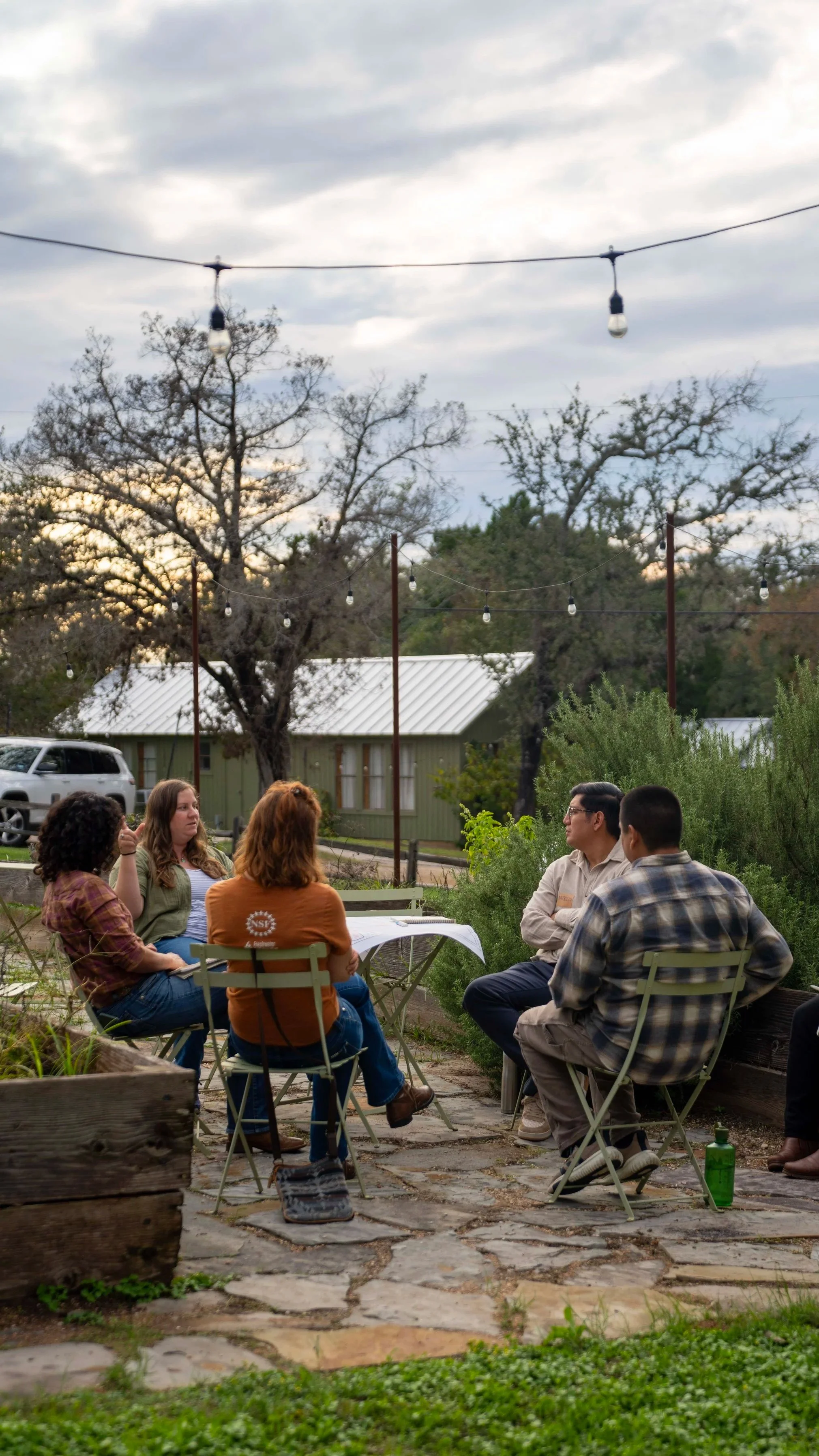
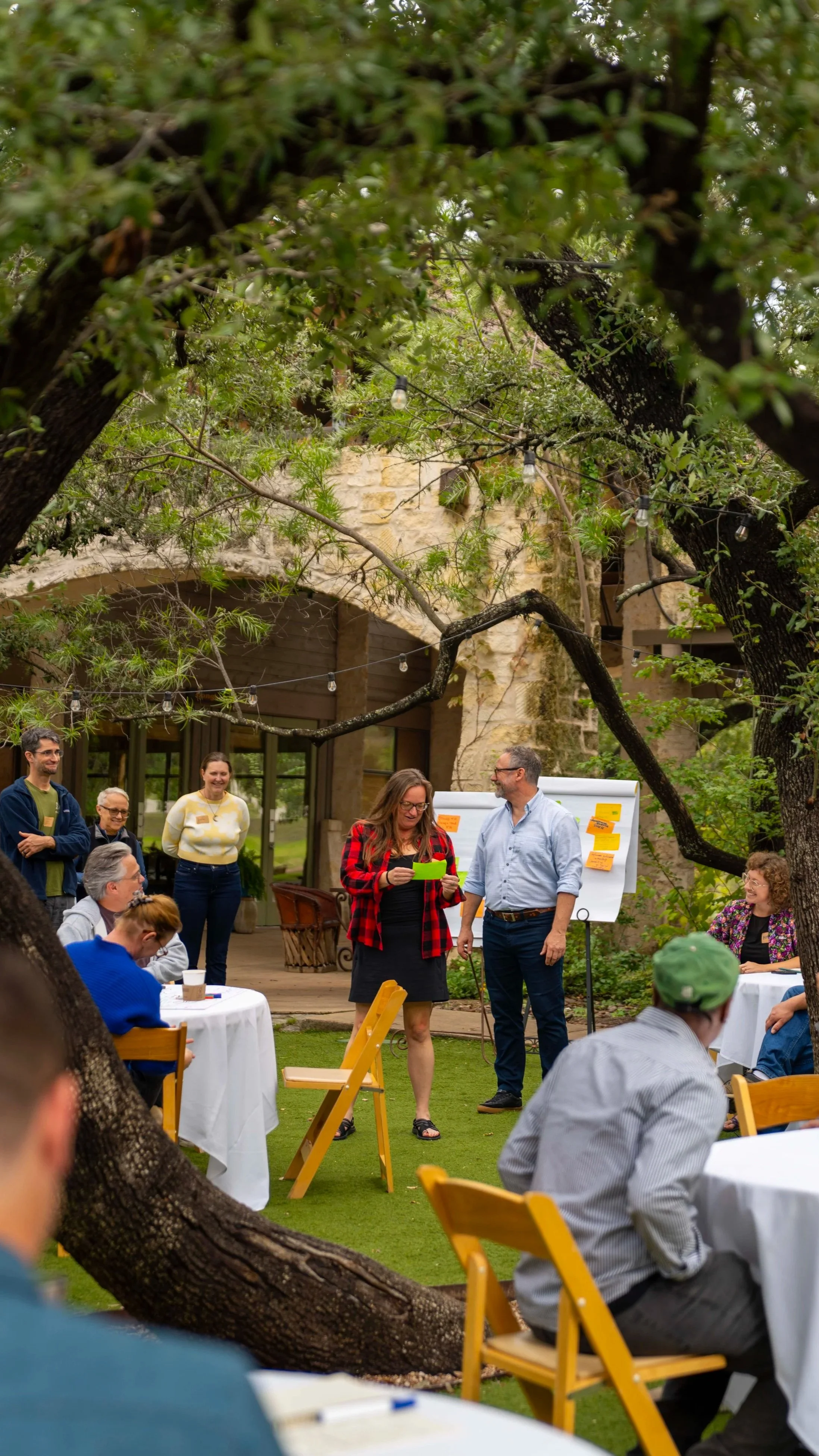
In the spirit of VCI convenings, participants had time to slow down, connect with peers, and engage with the beautiful landscape of the Texas Hill Country. Stepping away from day-to-day responsibilities created space for deeper dialogue, new perspectives, and the relationship building needed for future collaboration and collective action.

Key Considerations
Throughout the convening, participants recognized several key considerations that will support greater coordination and capacity across TA providers.
Strengthen connectivity among trusted advisors and organizations: Participants highlighted the need for stronger coordination among TA providers, researchers, and partner organizations to reduce duplication, share resources, and better align services with land steward needs. Organizations often operate in silos, and it’s difficult to align across the system. As one participant noted, organizations “each have key purposes and limited time to recognize how they support each other.” Participants suggested shared databases, regional resource hubs, and technology to improve information-sharing and connect existing networks, emphasizing the importance of being willing to “leverage each other’s strengths” and work “outside of your traditional bounds.”
Recognize and communicate the value of technical assistance: Although TA is fundamental to implementing conservation practices, its value and the people who deliver it are often overlooked. Participants discussed how to better communicate its importance to farmers, funders, policymakers, and the public, and to ensure that funding accounts for the personnel and organizational infrastructure required to deliver effective, ongoing services. They also questioned whether the term technical assistance adequately captures the work, suggesting alternatives such as “conservation prosperity advisors” and asking, “How do we redefine TA around place and community?”
Take a long-term, holistic approach to conservation outcomes: Participants stressed that meaningful conservation requires looking beyond individual practices and short-term metrics to understand the interconnected benefits for people, land, and communities. As one participant observed, “It took us 100 years to reckon, and they want to fix it in two years.” Others emphasized that “it’s [also] about community and relationships. If it’s just about soil, it’s going to fail.” Participants called for longer-term, flexible funding and more holistic approaches to measuring outcomes, recognizing the connections between soil health, water quality, habitat connectivity, and community well-being.
Center farmers, trust, and local relationships: Effective conservation must be grounded in farmers’ experiences, priorities, and knowledge. Participants emphasized the importance of meeting farmers where they are, adapting assistance to different operations and levels of experience, and recognizing the trusted networks farmers already rely on, including family, neighbors, fellow farmers, cooperatives, and faith communities. A more community-based approach to TA would strengthen these relationships and support continued engagement beyond individual programs or funding cycles.
Navigate emerging technology and unequal access: AI and other technologies offer opportunities to improve coordination, information-sharing, and efficiency. For example, many providers face significant administrative overhead, with some estimating that 40% to 60% of resources go toward administration rather than direct TA delivery. AI could help synthesize existing resources or help with the creation of toolkits and land management plans, allowing TA providers to spend more time in the field. However, participants raised questions about appropriate guardrails, data sovereignty, and equitable access. Without careful implementation, these tools could reinforce existing disparities, particularly for communities with limited internet access.
Overcoming Challenges
Participants identified several interconnected challenges that limit the effectiveness and long-term sustainability of TA:
Fragmented systems and limited coordination: Organizations often operate in silos, with limited time or resources to understand how their work complements others. At the same time, efforts to improve coordination must balance national alignment with local expertise and community needs. As one participant stressed, it is “critically important to make sure local knowledge is at the center.”
Funding constraints: Short-term, inflexible funding and limited resources make it difficult to sustain relationships, retain skilled staff, and invest in organizational capacity. Private philanthropy alone cannot fill these gaps, creating a need for more efficient delivery models and diversified funding sources such as municipal investments, revolving funds, transportation departments, and private-sector partnerships.
Policy uncertainty and resistance to systemic change: Shifting federal priorities, uncertainty around Natural Resources Conservation Services's (NRCS) role, and changing funding structures make it difficult to plan for the long term. Participants also recognized the tension between reforming existing systems and creating new ones, particularly when the status quo is deeply established and transitions carry financial and operational risks.
Need for a skilled, experienced TA workforce: Participants raised concerns about the future capacity of the TA workforce, particularly the declining number of professionals with firsthand farming and land management experience. Ideas included integrating TA skills into university curricula, expanding apprenticeship and experiential learning opportunities, and creating better pathways to pass on generational and practical knowledge.
Keeping pace with climate change: Accelerating climate impacts are increasing the urgency and complexity of conservation work. TA providers must help farmers and land managers adapt to changing conditions while navigating evolving science, limited resources, and the long timelines required to implement effective practices.
Outcomes and Action Items
-
Produce a stronger investment case to expand and diversify funding for technical and financial assistance. This group will create a reference guide of existing models and clearly demonstrate TA’s economic, climate and conservation value.
-
Map existing TA pathways, identify gaps, improve regional and in-field coordination, and develop shared evaluation tools and protocols. Making these resources accessible and strengthening connections among stakeholders will help increase TA coordination and evaluation to accelerate and improve the ultimate outcomes on the land.
-
Compose a viewpoint paper that articulates the collective benefits of technical assistance, including how multiple conservation outcomes can be achieved together. Recognizing stacked benefits can strengthen funding opportunities and uplift the overall value of TA.
-
Identify policy opportunities, champions, and potential reforms to strengthen technical assistance in the next federal policy window. This group will engage TA providers and recipients to develop three to five recommendations.
-
Create shared language, stories, and messaging strategies to better communicate the value and impact of technical assistance. These stories will showcase the importance of TA to farmers, policymakers, funders, and the general public.
Looking Forward
Participants left the convening with renewed energy, a stronger sense of community, and a shared commitment to carrying the work forward. Despite the challenges facing the field, many expressed a sense of hope because of the people and partnerships in the room. As one participant reflected, the conversations were “simultaneously rooted in frustration and grief and sorrow and challenges” yet “ultimately action-oriented.” Others emphasized the importance of turning newly built trust into continued collaboration and accountability. One participant noted, “how quickly trust can grow when there’s intention behind it,” adding that this trust will be essential to holding one another accountable as the work becomes more specific.
Participants also recognized that lasting conservation cannot depend on programs and incentives alone, but on “people that care and the partnerships that grow with them.” Moving forward, there is opportunity to build on these relationships, advance shared priorities, and translate the ideas generated during the convening into practical action. As one participant put it, “we all have different challenges, but the same common goal: to improve the environment for future generations.”