Unlocking Northeastern Forest Potential as a Natural Climate Solutions: Summary Report
Framing & Purpose
Photo Credit: State of Vermont


Northeastern forests play a major role in climate mitigation. Mature temperate forests store significant amounts of carbon while providing a wide range of ecological benefits. Younger forests represent an opportunity for future old-growth development , continued carbon storage, and sequestration through management and stewardship.
Northeastern forests are increasingly critical carbon sinks and keystone to regional economies, while also protecting watersheds and offering recreational benefits. . These forests are proving to be more resilient than western forests in the face of climate change, underscoring the importance of protecting and stewarding them for long-term environmental, economic, and community resilience.
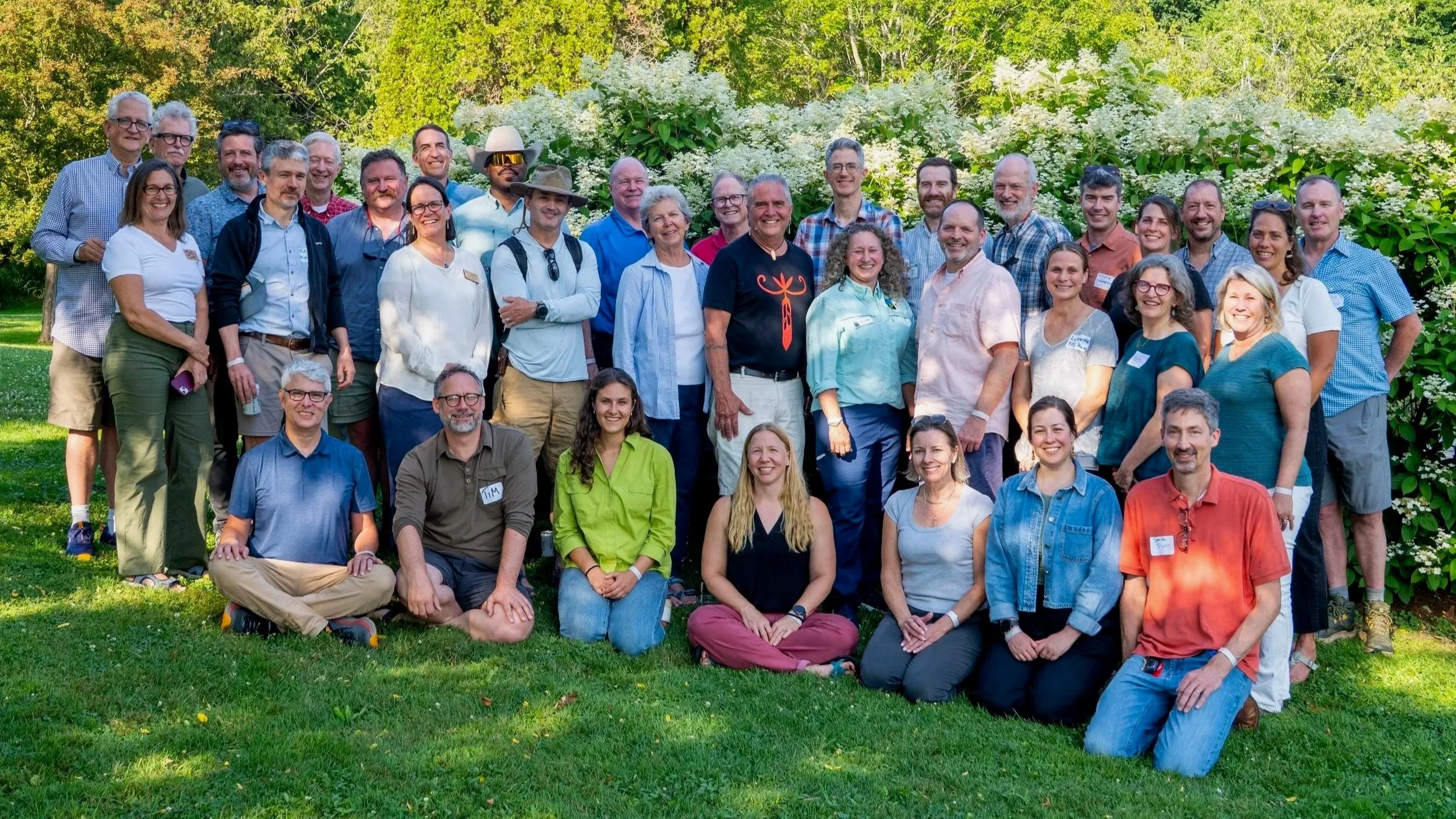
In July 2026, VCI convened leaders from diverse sectors to break barriers, understand perspectives, and drive action to harness Northeastern Forests’ ability to support long-term climate, environmental, economic, and community well-being.
The convening brought together large- and small-scale landowners, public agency representatives, conservation organizations, academics, and recreational interests to develop strategies for accelerating natural climate solutions and strengthening forest stewardship across the region.
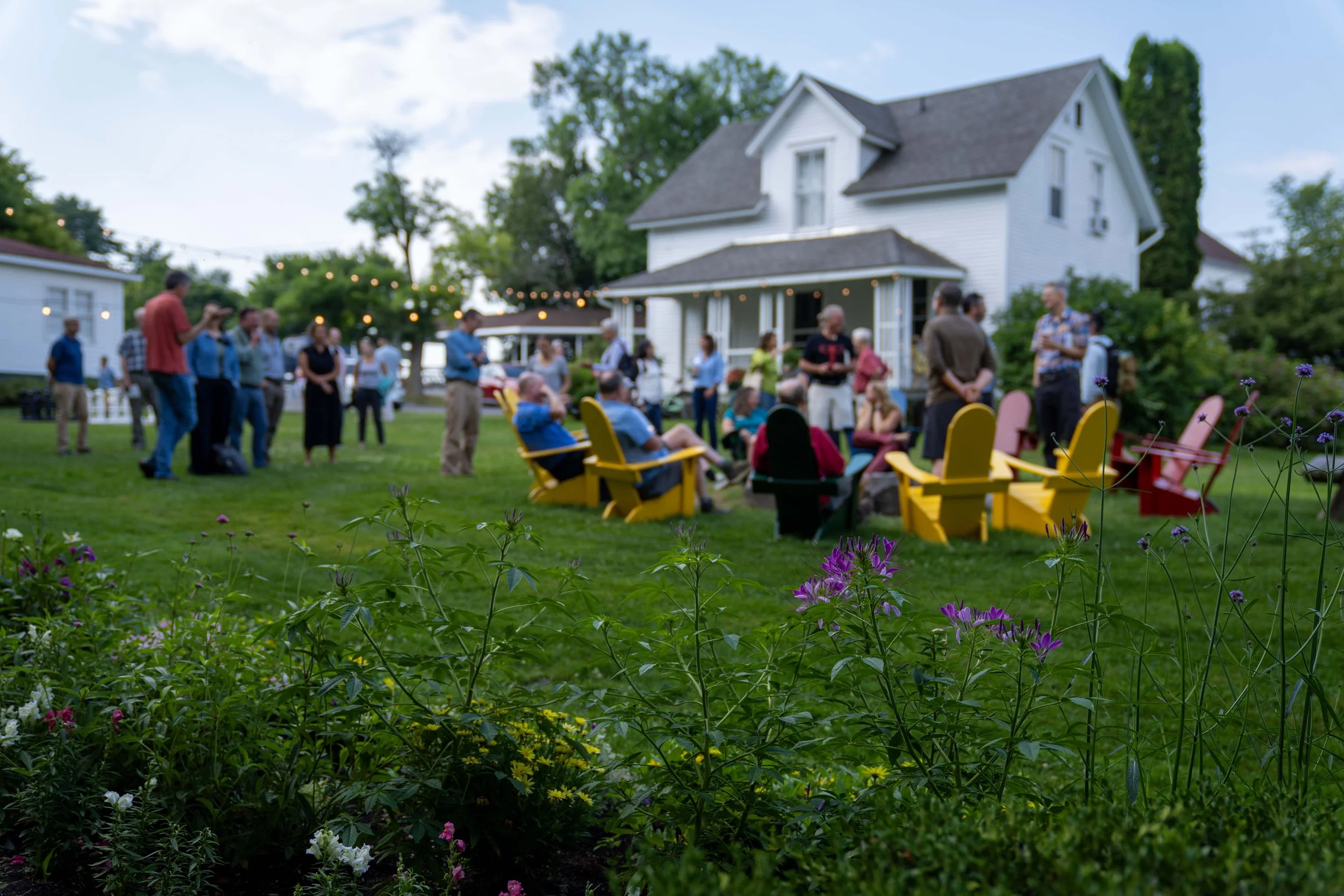
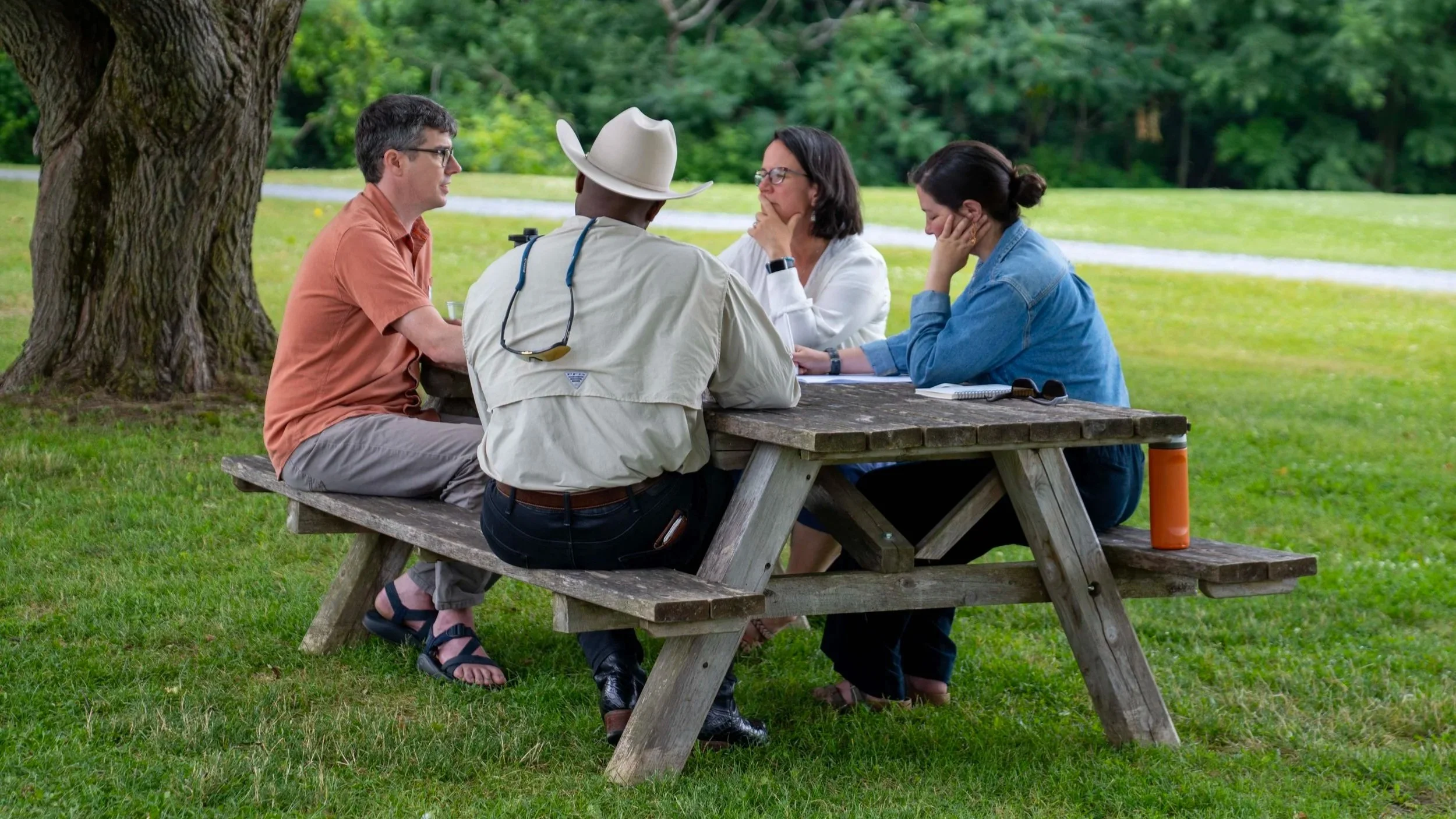
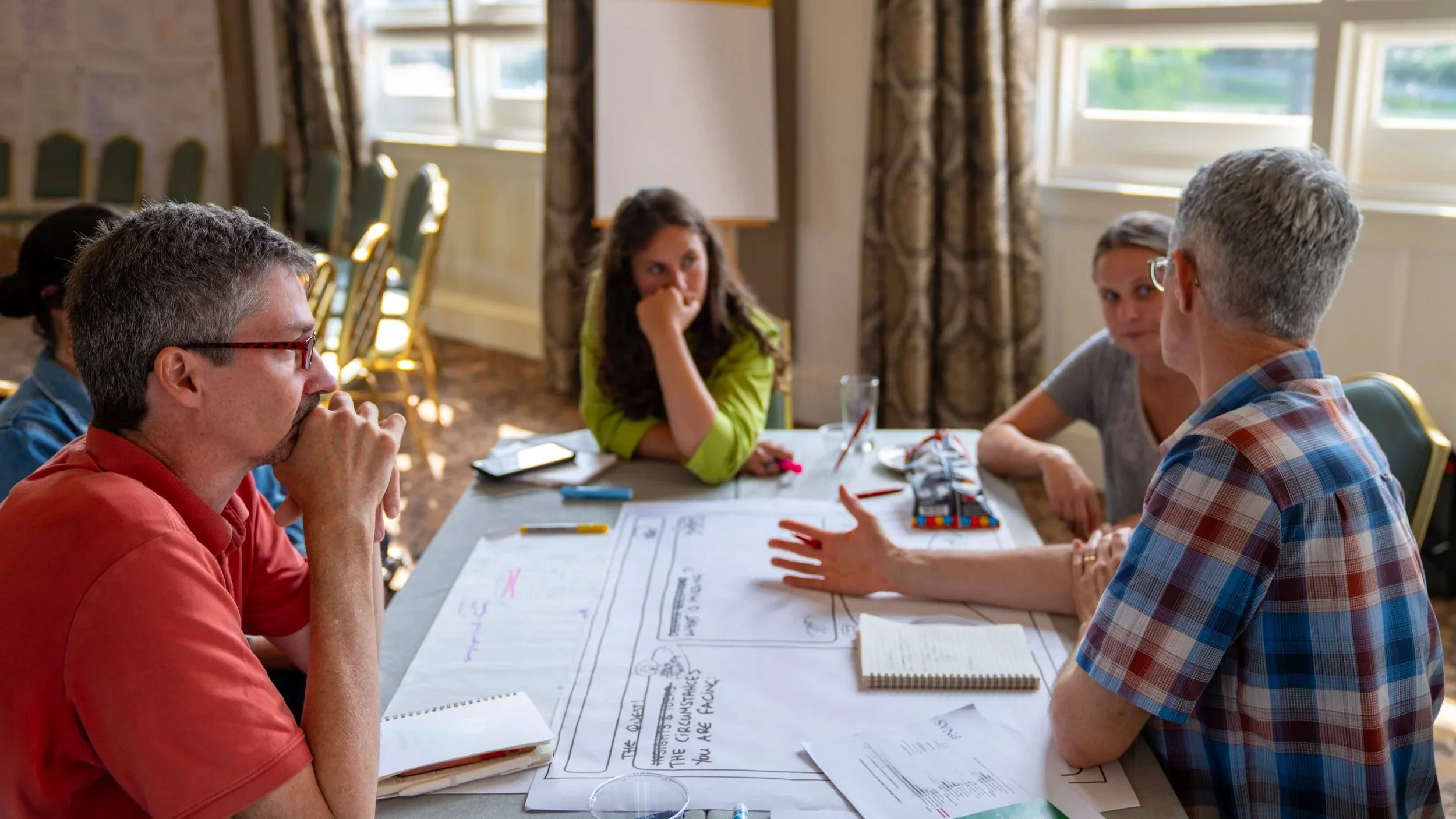
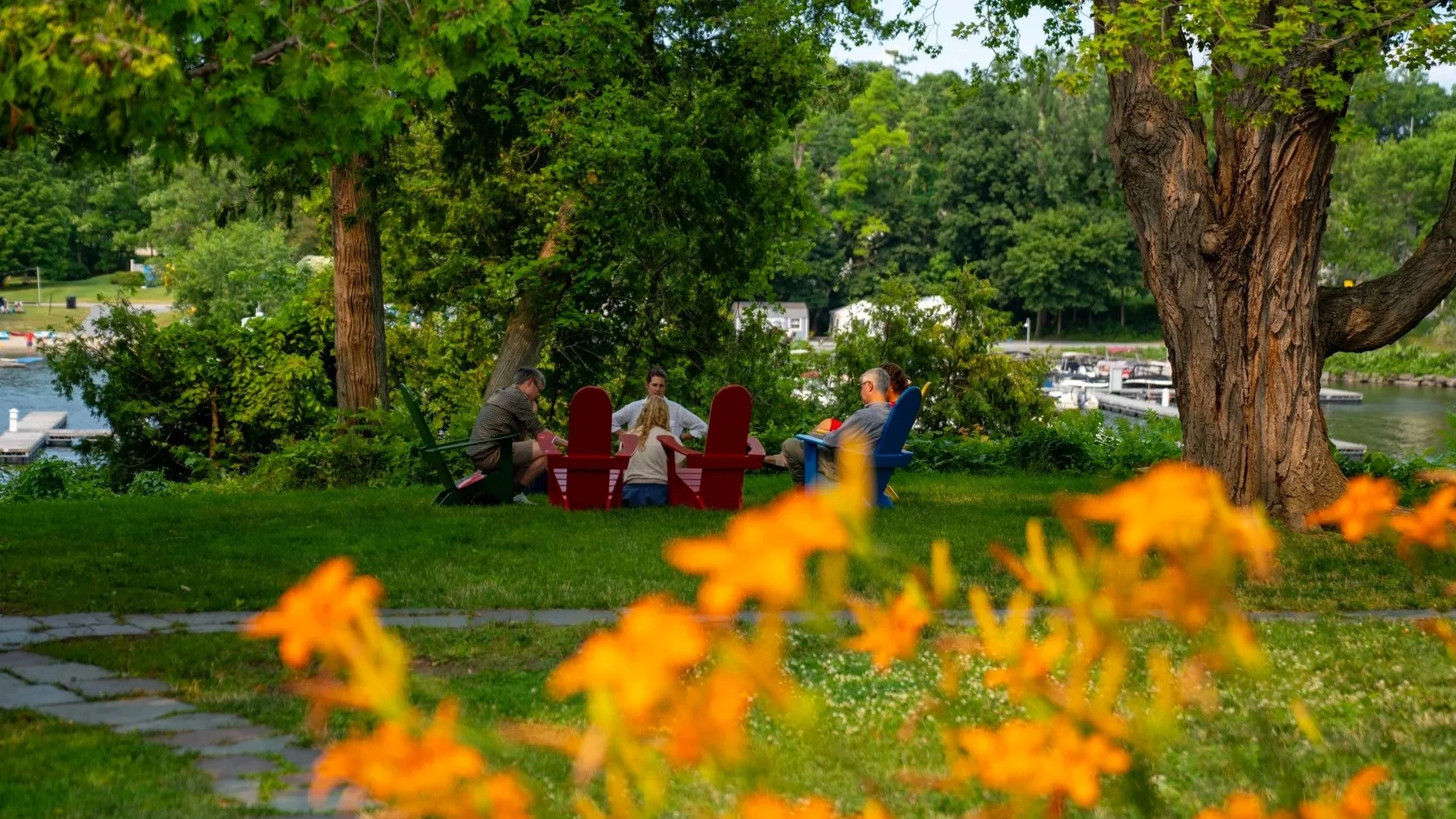
Beyond identifying practical solutions, participants invested time in building relationships, nurturing a new network, and creating space for meaningful dialogue in a shared setting. These connections provide the foundation for the collaboration, trust, and collective action needed to advance the initiatives that emerged.
Key Considerations
Throughout the convening, participants identified several key considerations that will shape future efforts to strengthen forest stewardship and accelerate natural climate solutions across the Northeast.
Cross-Sector Collaboration is Essential: Participants consistently emphasized that no single organization or sector can advance forest stewardship alone. Building relationships, creating shared language, and fostering trust across conservation, industry, government, philanthropy, academia, and landowners were viewed as foundational to long-term success. “The stewardship and conservation capacity that is needed is limited if just forestry and conservation organizations are at the table. We need to widen the tent,” one participant reflected.
Healthy Forests Require Balancing Ecological, Economic, and Community Goals: Rather than viewing conservation and forest management as opposing objectives, participants repeatedly exploredhow to create a mosaic of wild forests, and those managed for livelihoods, recreation, climate mitigation, and sustainable forest products. Discussions highlighted how forest restoration can simultaneously support carbon sequestration, wildlife habitat , and landowner legacy. Wild forests and the potential of “natural reforestation” (reforestation without human intervention) are simple, cost-effective carbon sinks. Similarly, conversations also highlighted mass timber framed local wood products as both a climate solution and an opportunity for rural economic development.
Stronger Markets and Financing are Needed: Participants repeatedly stressed that stewardship must be economically viable. Better markets, new revenue streams, financing tools, investment vehicles, and incentives are needed to keep forests as forests and support working lands. “There needs to be an economic add. Landowners are only going to do X, Y, and Z if the bottom line adds up,” one participant reflected. “We need to generate revenue from the forest while caring deeply about it,” another added.
Act Local First To Achieve Scale:Participants consistently emphasized that the goal is not simply to launch individual projects, but to develop models that can be replicated, adapted, and expanded across the region. While there was enthusiasm for a Northeast-wide strategy, many believed trust and momentum must first be built through local pilots. “You have to build trust locally. You get to know people in the room and see them again and again,” one participant stated. Rather than attempting large-scale implementation immediately, participants identified practical first steps such as validating concepts, identifying partners, creating model easements, and conducting gap analyses before expanding successful approaches across the region.
Ultimately, there was a consensus on a shared objective to “keep forests as forests,” with the key caveats being “how much,” “at what cost,” “where,” and “whose?”
Overcoming Challenges
Throughout the convening, participants identified several challenges that must be addressed to accelerate climate action and strengthen collaboration across the forest sector.
Navigating Political and Social Headwinds: Participants identified political uncertainty and competing narratives as barriers to advancing climate action. “Who drives the narratives that divide? How am I complicit?” one participant reflected. The group discussed the importance of building durable strategies that can withstand shifting political environments while fostering broader public support. And the importance of not allowing extreme perspectives on either side of the wildlands or stewardship dominate the discourse
Creating Durable Incentives for Private Landowners: Participants repeatedly returned to the challenge of motivating private landowners (who manage approximately 80% of Northeast Forests) to participate in climate solutions. “How do we create stronger economic incentives for private forest landowners to mitigate climate change?” one participant asked. Many emphasized that long-term conservation requires financial models that align ecological stewardship with landowner needs.
Changing Public Understanding and Behavior: Participants identified behavior change and social license as critical enabling conditions requiring better communication, education, and storytelling. They stressed the need to help broader audiences understand the value forests provide for the climate, economy, biodiversity, and local communities. Many stated that fragmented messaging and competing narratives have weakened public understanding of forest stewardship.
Using the Right Language: Participants frequently described language as a barrier to collaboration and emphasized the need for terminology that resonates across diverse audiences, avoids polarization, and builds broader support for forest conservation. "We often find, the message we're trying to send isn't received in the way it's intended. We're not using the words that resonate, the right messenger, or the right format," one participant shared..
Working Through Pinchot Versus Muir Perspectives: Participants acknowledged longstanding differences in forest stewardship philosophies that continue to shape collaboration across sectors. While some favored a hands-off approach centered on preserving wildlands, others emphasized the role of active forest management in achieving ecological and climate goals. As one participant observed, "It seems like there's a conflict in how to define preservation where groups bring different assumptions.”


Outcomes and Action Items
Some of the ideas generated, successfully broke through perceived but unnecessary barriers and participants identified four initiatives for action that garnered broad support:
-
Pilot a mosaic model of forest stewardship for climate mitigation in the North East Kingdom of Vermont.
-
Create a network to provide the inclusive architecture that supports thriving, sustainable Vermont forests and the natural and human communities that rely on them.
-
Leverage the experience, expertise, and commitment of the 2026 VCI convening participants to pilot a ~2,000 acre climate easement model with a mosaic of management (or lack thereof) approaches within the parcel.
-
Advance the road map for accelerating the production and utilization of mass timber in the Northeast.
Looking Forward
Seen together, this portfolio of interconnected projects contribute to a shared vision for advancing forest protection and stewardship. “There's vision. There’s strategy. There’s tactics. There’s critical support for the other elements to function,” one participant reflected.
Beyond the projects, participants left with a new network, deeper insights into each other, renewed optimism, and a shared commitment to continued collaboration. As one participant shared, "This couldn't have come at a better time. As I become despondent over the challenges, to see how much we have in common."
In addition to supporting initiatives to “take root,” VCI will also provide support for a part-time network coordinator, who will help connect these initiatives with one another, foster ongoing collaboration, and integrate them into the broader ecosystem of organizations and efforts working to strengthen forests and climate resilience across the region.
On behalf of VCI and the Host Committee, we thank each and every participant for their time, thoughtfulness, and contribution.