Large-Scale Composting
Framing & Purpose
Composting is a “no regrets” natural climate solution that can help with the urgent need to mitigate climate change by reducing potent methane emissions and sequestering carbon while simultaneously building healthy soils. In addition, composting programs create a valuable end product that diverts organic material from landfills, reduces disposal costs for some local governments, and contributes to climate, zero waste and circular economy goals.
However, large-scale composting operations require substantial up-front investment in equipment and capital infrastructure, along with ongoing funding for labor, energy, and maintenance. Many projects depend on government budgets, grants, and subsidies. But changes at the federal level and state and local budget shortfalls constrain available public funding.
Regional differences also shape composting feasibility and program design, making success dependent on sociopolitical, geographic, and ecological conditions. Contamination remains one of the sector’s greatest challenges, as even small amounts can reduce marketability and raise health and regulatory concerns.
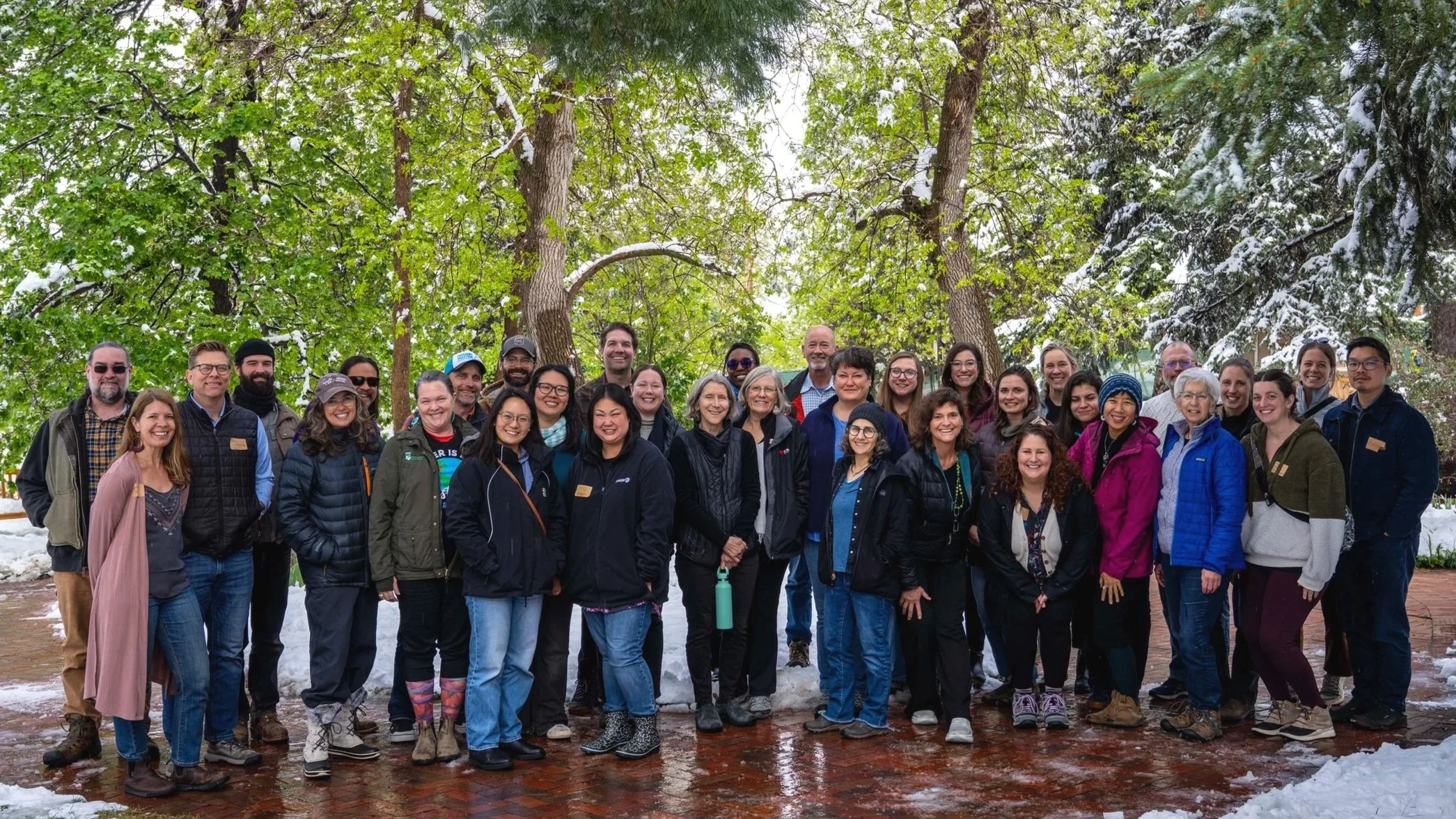
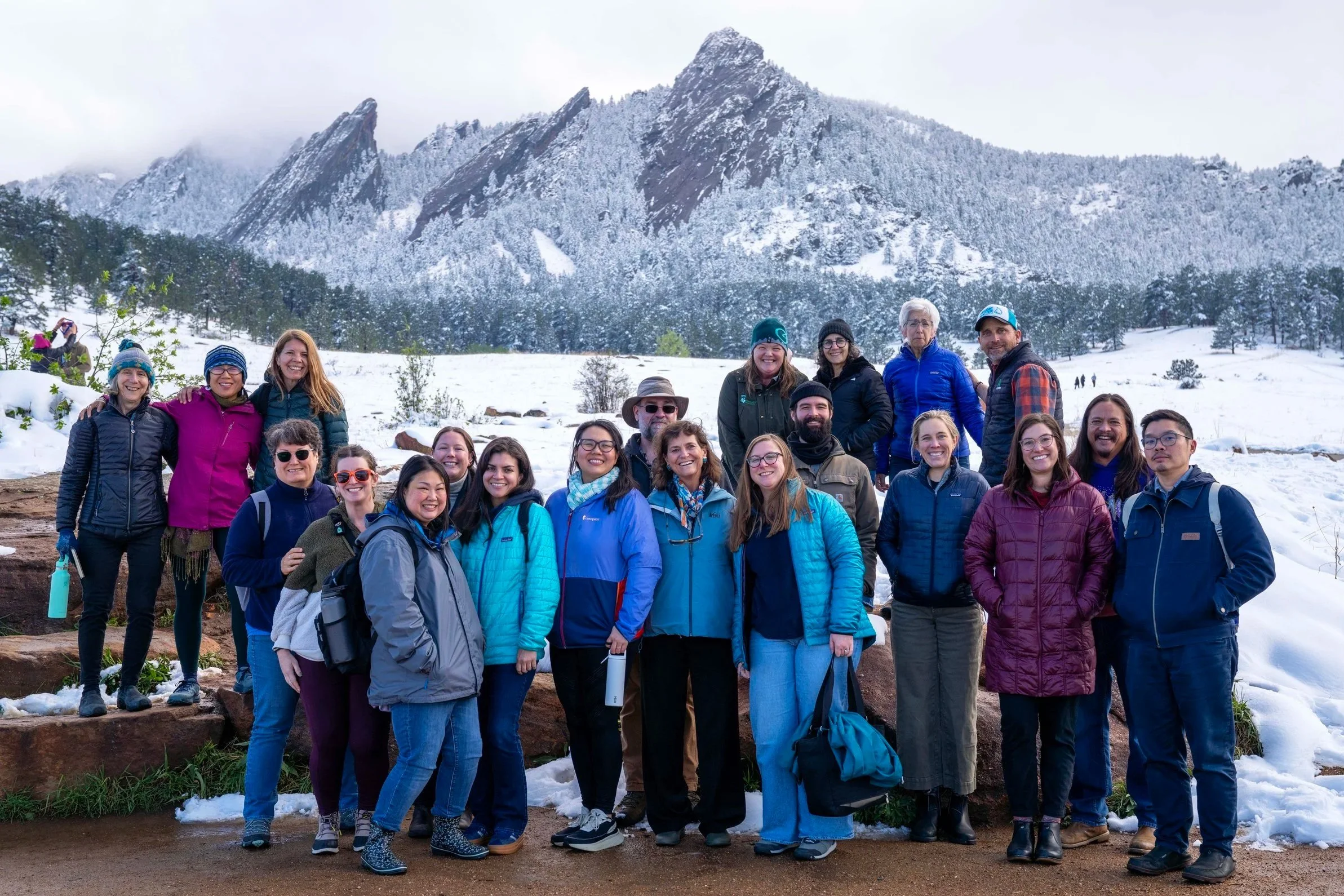
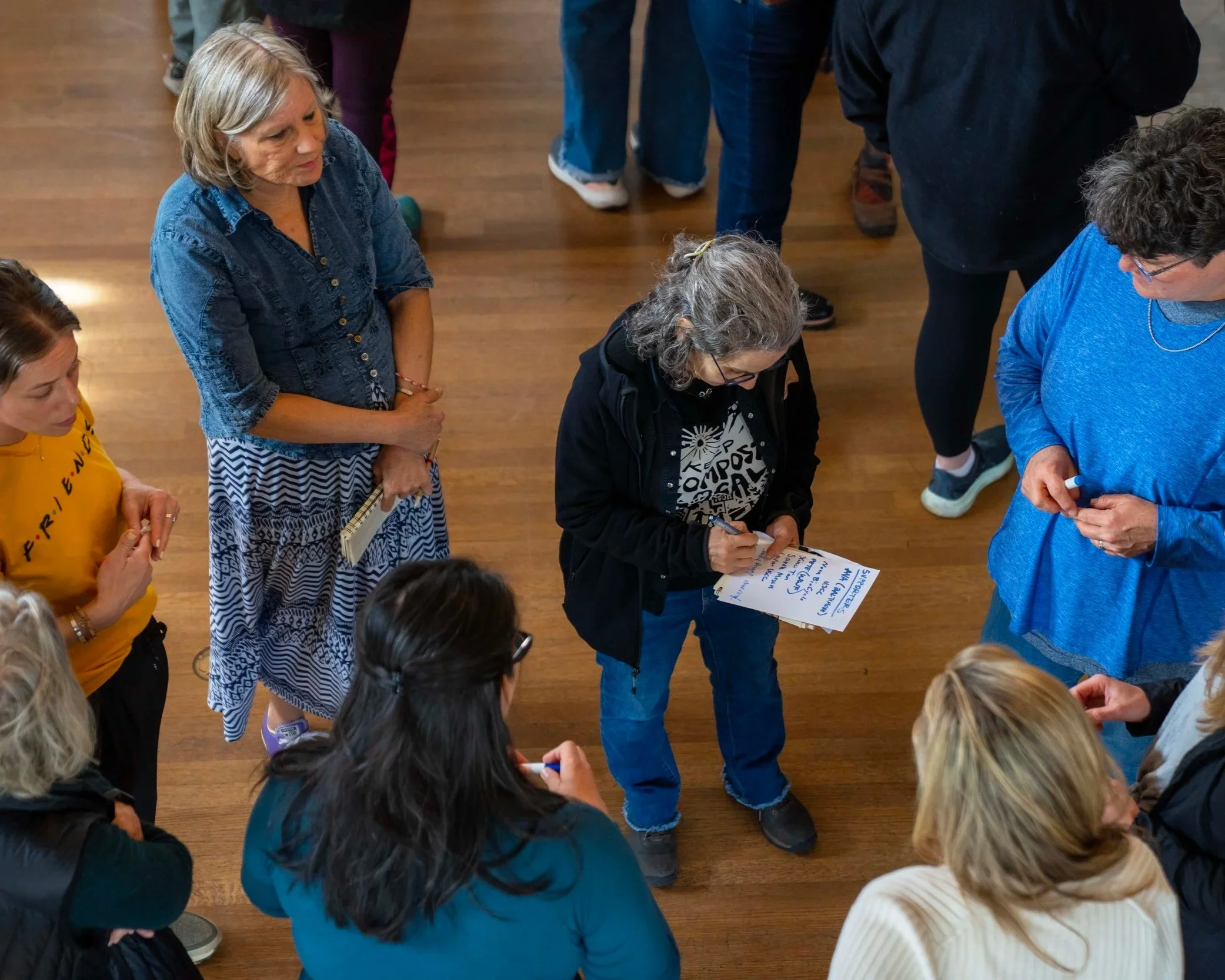
To combat these challenges and to help accelerate and optimize large-scale, government-supported composting programs, VCI hosted a four-day convening in Boulder, Colorado aimed at bringing together different levels of government all in distinct stages of compost program development. VCI previously held a convening focused on the importance of community-based and decentralized composting initiatives.
Together, city, county, state, and Tribal governments, alongside non-profit and private sector partners, focused on their collective ability to enable and implement large-scale compost systems — from landfill diversion to the “last mile.” Across sessions, meals, and activities, participants exchanged lessons on policy, planning, and implementation. Together, they challenged one another to think boldly, imagining a future where composting goals are achieved and identifying tangible next steps to get there. Ultimately, leaving with five strong action plans to promote more compost creation and use and therefore support soils, communities, and the climate.

Themes
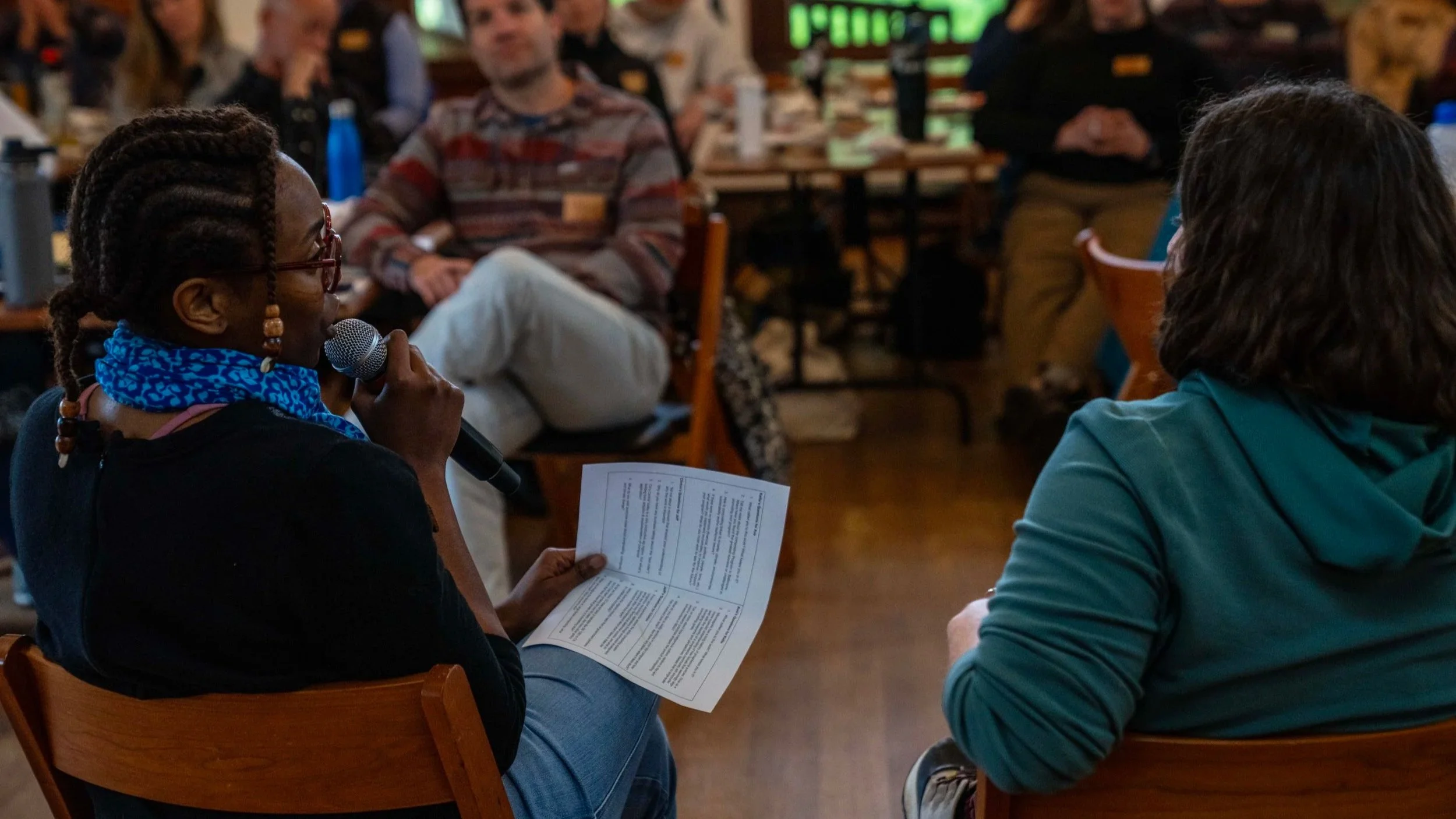
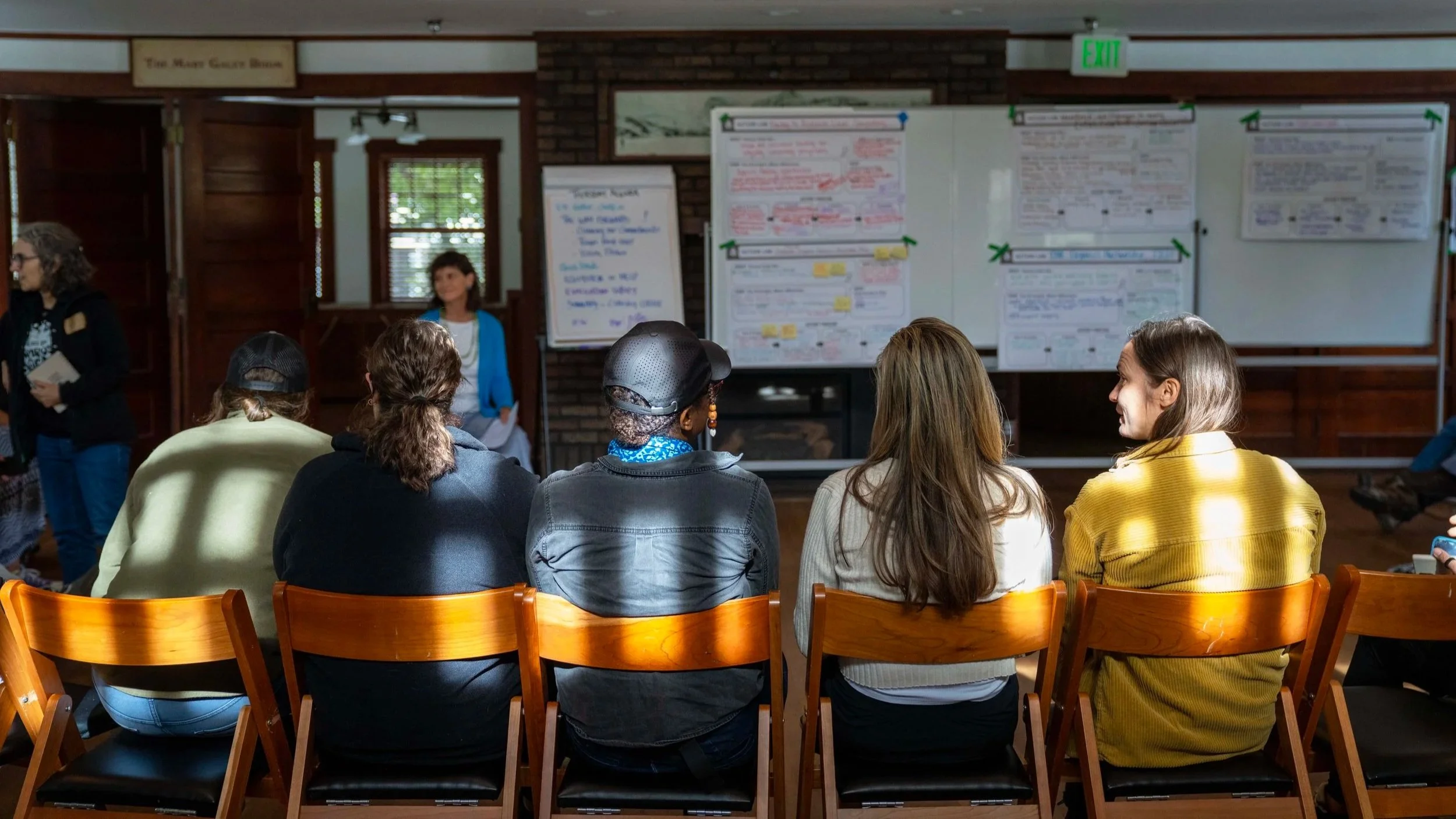
Throughout the convening, participants identified key themes, such as reframing compost as critical infrastructure rather than waste, and identifying behavior change, cross-sector coordination, localized systems, and stronger end markets as essential to scaling equitable and effective composting systems.
Compost as Infrastructure, Not Waste: “The word ‘waste,’ we have to erase it from our system,” one participant shared, summing up the group sentiment that compost is a valuable resource and systems solution. Composting is connected to soil health and related carbon sequestration, methane reduction, water quality, regenerative agriculture, climate resilience, and local food systems. Compost facilities should be viewed as manufacturers rather than waste operations, participants added, underscoring the vast disconnect between what the compost system is and how others perceive it. This perception was cited as a key leverage point to address other themes and challenges such as behavior, funding, and policy.
Behavior Change and System Design: In order to increase the adoption of organics recycling for composting programs and decrease contamination, there needs to be increased education for residents, civil servants, farmers, and legislators. But that education can’t happen within a silo. “We’re missing something if we’re not doing it in community,” one participant stated, reflecting the need to include trusted leaders and people most impacted in the transition. In addition, groups emphasized combining outreach with systems changes in infrastructure and accountability measures such as signage, bin differentiation, Radio-Frequency Identification (RFID) tracking, staffed drop-offs, incentives, penalties, and service design changes.
Coordination and Governance Complexity: Compost initiatives are still finding a seat at the table in many local and state governments. Participants noted bureaucratic silos, competing incentives, and limited coordination between departments and jurisdictions. This group of attendees was formed to help exchange information and lessons learned as one method of working through the challenges. Representatives from California shared lessons learned from SB-1838 implementation such as regulatory challenges and ways to address infrastructure gaps. And one attendee sought to support the group by aggregating local data to create a national database with actionable information.
Distributed and Localized Solutions: Participants expressed growing interest in decentralized, small- and medium-scale compost systems in addition to large centralized facilities. One participant shared how he sometimes organized compost transport over hundreds of miles to get it from the processor to the farmer, burning diesel and spending time and money that could be better spent. Localized systems were also viewed as more resilient, equitable, and adaptable to regional conditions. During the convening, some participants united over the potential for regional collaboration on compost education. Others focused on pilot programs in individual cities that could be modeled and adapted to other localities’ specific needs, policies, and environments.
End Markets and Distribution Challenges: Participants highlighted persistent barriers to distributing and using finished compost, including transportation costs, storage limitations, inconsistent procurement systems, and limited farmer adoption. Aligning diversion goals with market demand remains a critical challenge. One attendee highlighted how his composting facility could double production now if the market for it existed. Others pointed to the challenges farmers face in adoption. “There’s nobody a producer can go to to ask how much compost do I need [for a given field]?” one participant shared. Many farmers need technical support, access to application equipment, and financial support to get started.
Overcoming Challenges
There are a number of challenges increasing large-scale composting programs. This convening focused on the potential for city, country, state, and Tribal governments and their partners to implement changes.
Funding: Programs often lack sufficient staffing, operational funding, and long-term investment. Reliance on short-term grants and duplicated funding efforts makes scaling difficult, particularly for nonprofits, Tribes, and local governments. “We’re playing defense due to the deficit,” one participant shared.
Contamination: Contamination was identified as one of the sector’s biggest operational barriers. Even small amounts of contamination reduce compost quality, create regulatory concerns, and undermine end markets. Often, “we don’t see that contamination until it’s too late,” an attendee stated.
Infrastructure: Participants highlighted insufficient composting infrastructure, especially for small- and mid-scale facilities. Key barriers include high real estate costs, limited properly zoned land, long permitting timelines, transportation logistics, and outdated land use codes.
Knowledge: Many participants noted that composting is still not normalized culturally. Sustained participation requires ongoing education, visible leadership, and integration into everyday systems, especially in schools and community institutions. Composting “needs a sophisticated branding campaign,” one participant reflected.
Policy: Uneven state and local policies create fragmented implementation landscapes. Participants noted unclear standards, inconsistent measurement frameworks, zoning barriers, and the need for guidance and infrastructure support. Further, “varied political will” and public opposition compound the challenge, participants expressed.
Outcomes and Action Items

Film
Create an impactful film using stories from composters, researchers, and compost users to demonstrate the importance of soil health, drive individuals to action, increase demand for organics recycling programs, and remove compost contamination.
The Last Mile
Design a replicable model for compost application guidance, technical assistance, equipment sharing, and financial support to increase compost use on agricultural lands.
Colorado Statewide Organics Diversion + Procurement Policy
Conduct stakeholder engagement & legislative research to inform a phased, policy-driven approach toward yard debris & food scrap diversion & finished compost procurement requirements in Colorado.
The Organics Partnership (TOP)
Build a coalition of technical assistance partners to support city, county, and Tribal governments at varying stages of their organics programs.
Funding to Accelerate Local Composting
Road-test innovative funding mechanisms in D.C., Baltimore, Cleveland, and Emmet County, MI to increase capital for composting programs and soil health.
*Additionally, participants expressed interest in supporting the U.S. Composting Council's idea to develop a nation-wide gap analysis of composting infrastructure overlaid with key areas for building healthy soils.

Looking Forward
Tremendous care for the soil, humanity, and the earth and climate resonated among participants. “At a certain point, it's a labor of love,” one participant shared. “When you start understanding food systems, it’s no longer a job, it's a passion,” another attendee reflected. Throughout the convening, everyone worked to put their hopes into action. “It’s not often you get to sit with a great group of minds like this and work on something,” one participant said. And like the mycelia networks that strengthen the soil, passing messages of resilience, the group left with a stronger community aiming to reinforce each other's efforts across the nation. “Compost works because nothing is acting alone,” one participant offered in reflection.
The group plans to continue their collaborative efforts through a VCI-supported network coordinator, and integrating efforts with the State Leadership for Regenerative Agriculture network that formed in November 2025.