Strengthening Supply-Demand Systems for Agroforestry and Reforestation: Summary Report
december 2025
Framing and Purpose
Trees and forests are a vital force in our world. Globally, trees mitigate climate change by sequestering carbon and increasing resilience to extreme weather. On a local level, they support ecosystems and communities. They provide habitat for animals and crops for farms. And they increase soil health and protect water quality.
Yet we’re losing our forests to deforestation, development, wildfires, and pests, and over the past century, vast swaths of agricultural land have been stripped of trees in exchange for monocultures and short-term productivity models. Reforesting these areas has great potential to help the planet, but in order to plant more trees, stronger supply chains and support systems are needed. Growers, buyers, and planters require dependable, high-quality supply chains, as well as robust technical assistance and funding to better ensure newly planted saplings’ long-term health and survival.
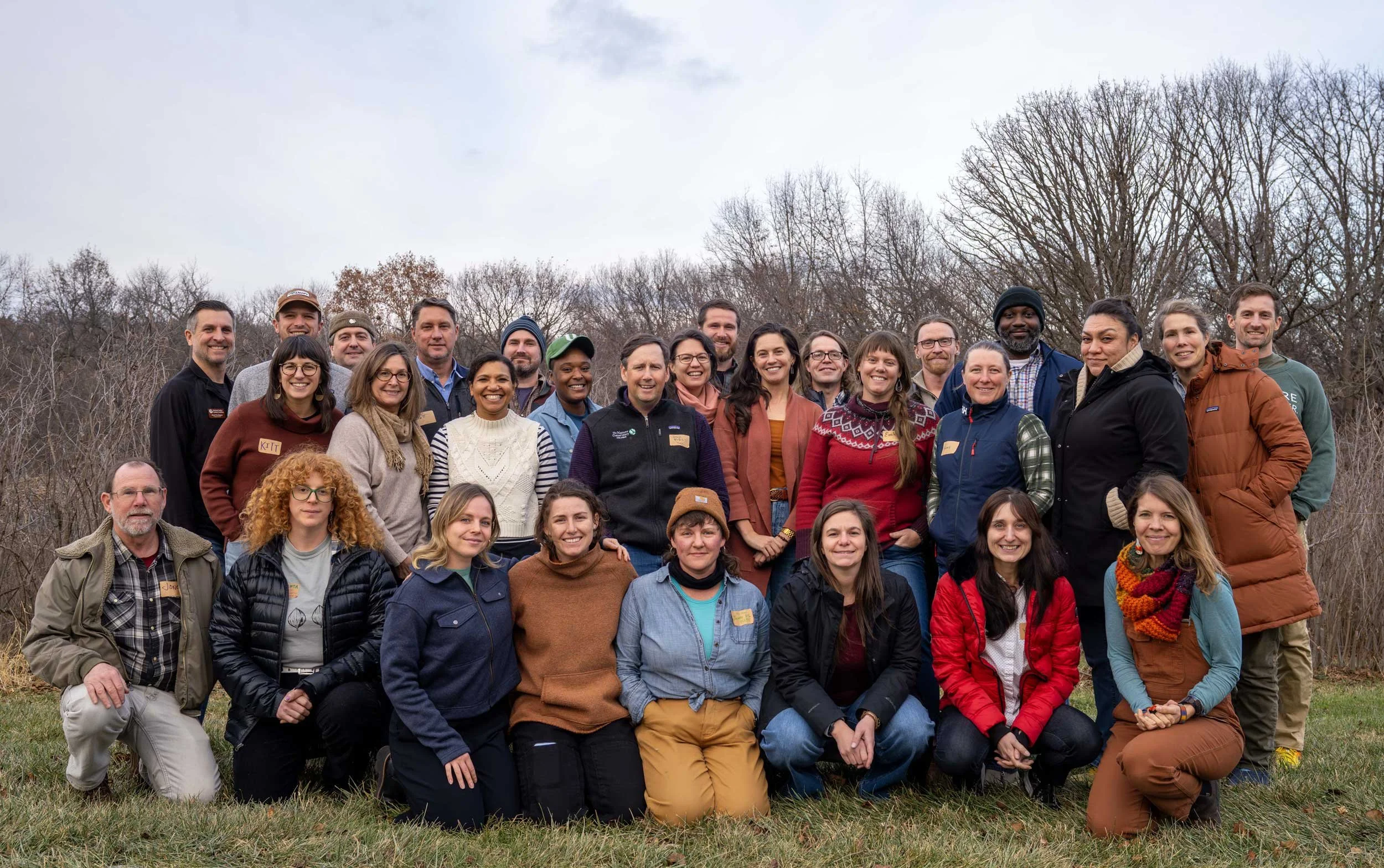
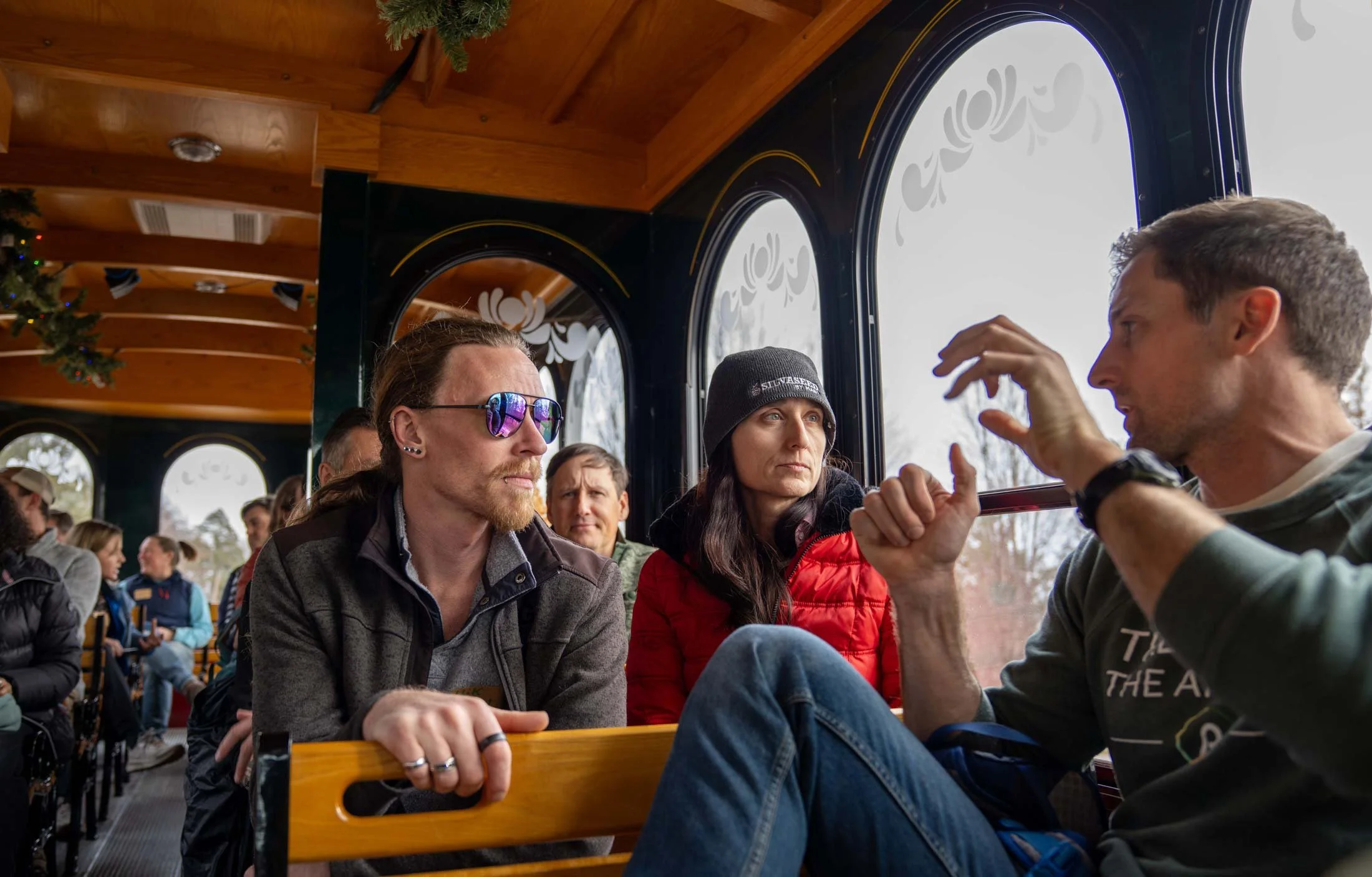
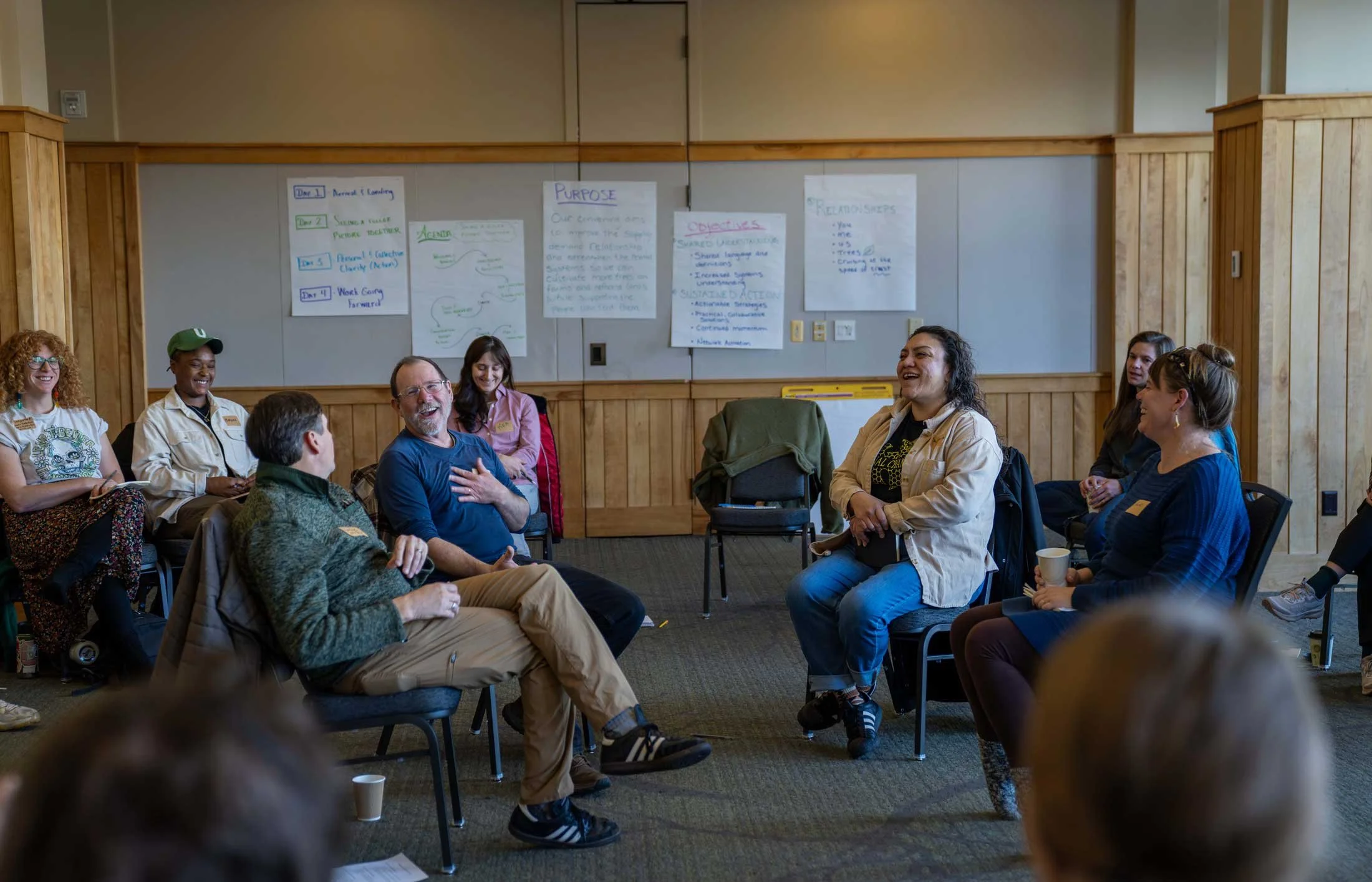
Volgenau Climate Initiative (VCI), the Agroforestry Coalition, and the Arbor Day Foundation co-chaired December’s “Strengthening Supply-Demand Systems for Agroforestry and Reforestation” to focus on these issues. Notably, this “cross-pollination” convening was VCI’s first time bringing together two existing VCI networks to collectively tackle previously identified, shared challenges. Representatives from nonprofits, federal and state agencies, philanthropic networks, and farmer, heirs' property, and Indigenous organizations came together at the Arbor Day Farm’s Lied Lodge in Nebraska City, Nebraska, to form action plans to help scale reforestation and agroforestry across the U.S.
Themes
Throughout the four-day convening, participants connected over the similarities between agroforestry and reforestation efforts while identifying the distinct qualities and experiences of each sector. At one point, the group united over their common goal: to plant more trees. Though for different reasons and in different places, the objective is the same.
Participants also recognized the following key themes:
Increase high-quality seed supply: High-quality seeds are integral to expanded tree-planting operations. During the convening, participants rallied behind the cross-sector potential to create widely recognized certification standards for source-identified seed and plant materials. This particular collaboration between reforestation and agroforestry highlighted a leverage point that can strengthen both sectors. Aligning now can prevent “dueling systems” and “strengthen both efforts over time,” a host committee member reflected after the convening.
Recognize the power of youth: “I’m not sure we can have this conversation [about long-term sustainable change] in a durable way without youth,” one participant stated. Early in the convening, participants named how narratives can shape young people’s relationship with nature. Such education, through stories and experience, can drive their engagement to protect the natural world or disregard it. Fostering that relationship at a young age can support stewardship of trees into future generations and help increase workforce capacity in the upcoming years and beyond.
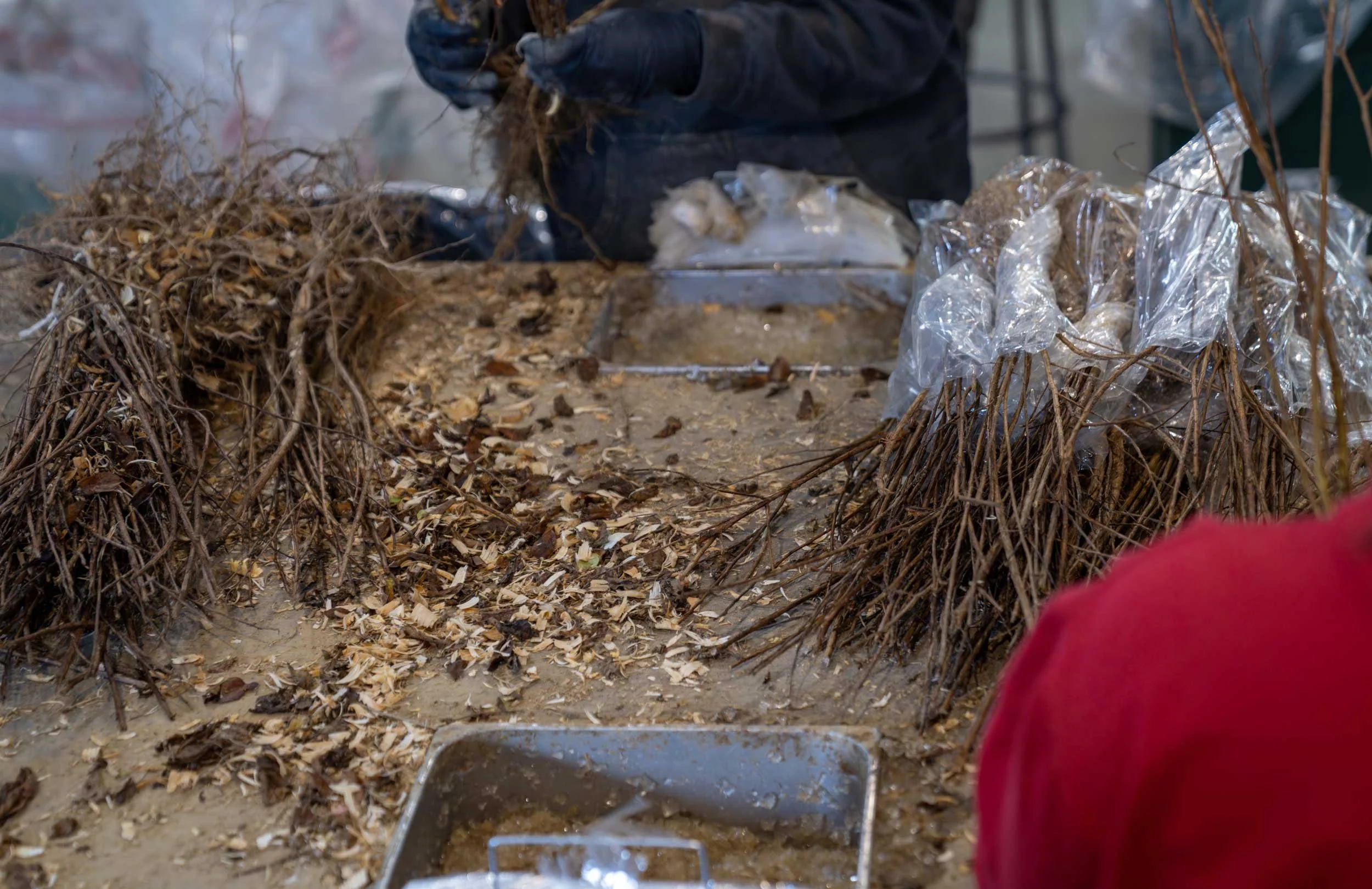
Exchange knowledge: Part of the impetus for this convening was the potential to share resources and information across different but complementary sectors. Participants sought to find commonalities in the ways agroforestry and reforestation use similar facilities but with different materials. Within the supply chain, participants discussed sharing western U.S. seed sourcing strategies with the East, creating propagation protocols across nurseries, and leveraging agroforestry demands to help provide a market for forestry nurseries. However, participants noted that facilitating knowledge exchange between nurseries and businesses would need to respect competitive privacy.
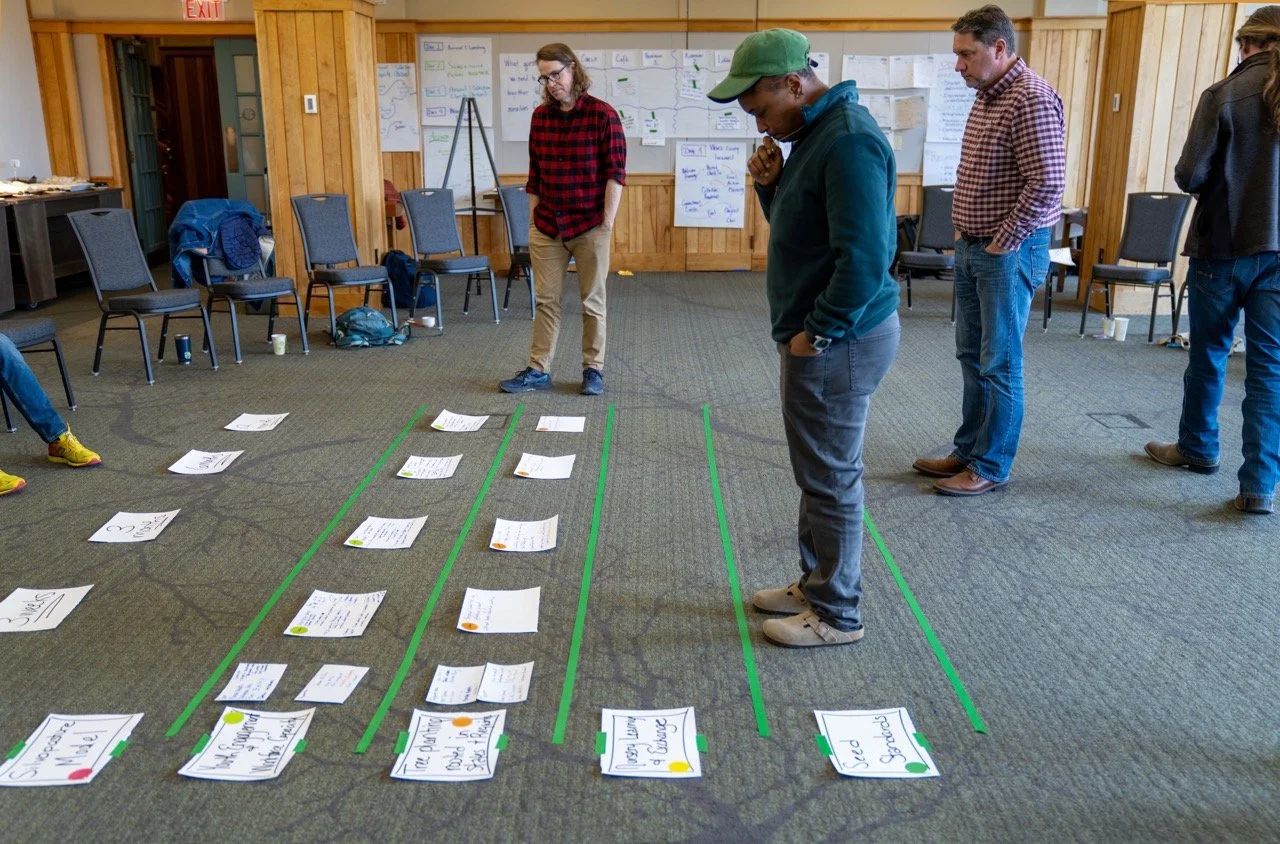
Grow at an appropriate scale: There was much debate over the best approach to scale work without losing diversity, recreating conventional models, or generating redundancies. One viewpoint highlighted the strategy of “building that connective tissue” between locally-led operations, and another supported the need for creating cohesion at a larger scale to get a clear picture first. During action planning, two groups worked simultaneously on creating seed standards and decentralized operations, ultimately deciding that the standards should happen first, and the locally-led operations would follow.
Identify allies: In response to uncertainty at the federal level and the potential to create new and broad coalitions, the participants sought to use their networks to identify allies. One participant brought in the potential for botanical gardens to help collect and certify seeds. Other groups looked to work with academia, but maintain leadership outside of those institutions. Some participants also pinpointed the need to “develop practices outside the box” of government frameworks by partnering with private companies. And others sought to work at the state level with the right “entrepreneurial” employees who could help spearhead change.
Challenges
There are a number of challenges facing reforestation and agroforestry efforts. Key to this convening is the need for consistent, high-quality seed supply. Other underlying challenges include limited time to combat the effects of climate change and working within a culture that expects quick results when trees take years to grow.
Participants also named the following as overarching challenges:
Expense, risk, and market uncertainty: Planting trees is expensive and much of the risk falls on landowners and nurseries. Without greater market certainty or shared risk, it’s hard to ask smaller operations to shoulder the burden of change.
Funding barriers: Federal funding cuts have had negative ripple effects on government spending at all levels. In addition, regulations can complicate foundation and nonprofit spending. Finally, impact investing, while helpful, depends on swift results that can counter true systemic change.
Lack of a trained workforce: Planting trees needs to be done correctly the first time, and landowners need technical support. Cuts at the federal level have decreased the workforce, and generally, more on-the-ground support is needed.
Tree-related systems are complex: Planting trees requires the right species and location, landowner buy-in, follow-up care, and funding. This complexity can increase costs, decrease efficiency, and complicate efforts to scale and coordinate.
Outcomes and Action Items
To address these challenges and collectively work towards the many benefits of planting trees, participants identified five initiatives for action following the convening:
Looking Forward
At the close of the convening, participants reflected on their strengthened relationships, action plans, and ability to create change.
“I see a lot of active hope” in these ideas, one participant said.
“I see several projects that could really be impactful and game changing in the long-term,” another reflected.
“This is the work that needs to be done,” another participant stated, but now with new relationships and new creativity to move it forward.